
Scalp Buildup: How to Fix Greasy, Heavy Roots
Scalp buildup is one of the sneakiest reasons your hair can feel greasy, heavy, flat, or dirty even after you have washed it. You might shampoo your hair, rinse properly, and still feel like your roots never get that clean, fresh feeling for long.
That is what makes scalp buildup so frustrating. It does not always look dramatic. Sometimes it shows up as oily roots by the next morning. Sometimes your scalp feels itchy. Sometimes your hair feels coated, dull, or strangely flat no matter what products you use.
The worst part? A lot of people try to fix scalp buildup by adding more products — oils, dry shampoo, scalp sprays, masks — when the real answer is usually learning how to remove what is already sitting there.
What Is Scalp Buildup?
Scalp buildup happens when oil, sweat, dead skin cells, styling products, dry shampoo, pollution, and leftover residue collect on the scalp.
Your scalp naturally produces oil, called sebum. That oil is not bad — your scalp needs it. The problem starts when sebum mixes with product residue and is not washed away properly. Over time, your roots can feel greasy, heavy, itchy, or coated.
Think of it like skincare. If you kept layering moisturiser, SPF, makeup, and powder without cleansing properly, your skin would eventually feel congested. Your scalp is still skin, so it can struggle with buildup too.

What Does Scalp Buildup Feel Like?
Scalp buildup can feel different depending on your hair type and routine.
Your roots may feel greasy soon after washing. Your scalp may feel itchy or uncomfortable. Your hair may look flat at the crown, even if the ends feel dry. You might also notice flakes that seem to stick to the scalp rather than falling away easily.
Another common sign is hair that never feels properly clean. You wash it, but it still feels heavy or dull. If that sounds familiar, buildup may be part of the problem.
Why Your Roots Feel Greasy and Heavy
Greasy, heavy roots usually happen when your scalp is carrying more oil and residue than it can handle.
This can happen if you use dry shampoo often, apply conditioner too close to the roots, use heavy styling creams, wash too infrequently for your scalp type, or do not massage shampoo into the scalp properly.
The American Academy of Dermatology recommends washing hair based on how often it gets dirty or oily. It also says people with straight hair and oily scalps may want to shampoo daily, while dry, textured, curly, or thick hair may need washing less often.
This is why copying someone else’s wash schedule can backfire. Your scalp may simply need a different routine.
Scalp Buildup vs Greasy Hair
Greasy hair and scalp buildup are connected, but they are not exactly the same.
Greasy hair usually means your scalp is producing oil and that oil is spreading through the roots. Scalp buildup means there is a mix of oil, product, sweat, dead skin, and residue sitting on the scalp.
If your hair feels oily but still light, it may just be natural oil. If it feels oily, coated, itchy, flat, and hard to refresh, buildup may be involved.
This is why dry shampoo can only help so much. It may absorb oil temporarily, but it does not actually cleanse the scalp.
The Dry Shampoo Problem
Dry shampoo is useful, but it can also make scalp buildup worse when you rely on it too often.
It can make your roots look fresher for a few hours, but it also leaves powder and residue behind. If you keep layering dry shampoo without properly washing your scalp, your hair can start to feel gritty, dull, and heavy.
That does not mean dry shampoo is bad. It just means it should be a refresh product, not a replacement for washing.
If this is something you struggle with, our guide on mistakes turning your hair into an oily mess explains how daily habits can make oily roots worse.
How to Clear Scalp Buildup Gently
The first step is to simplify.
Stop layering too many scalp products for a while. Give your scalp a break from oils, heavy creams, excessive dry shampoo, and styling sprays. Then focus on cleansing properly.
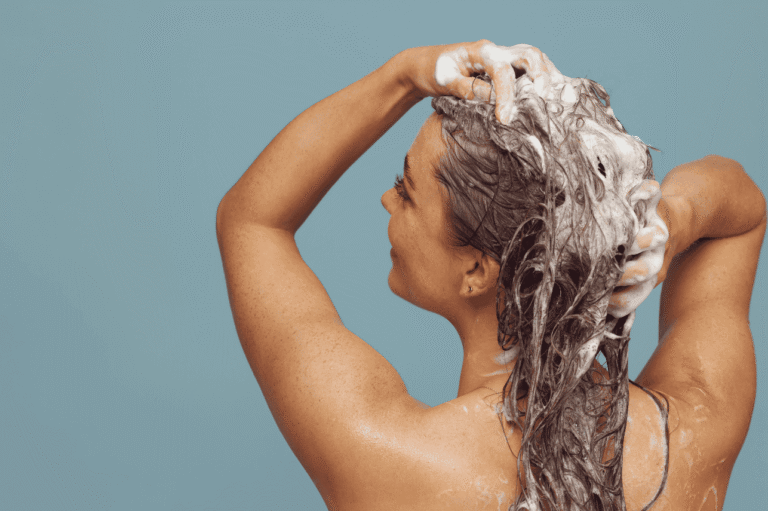
When you shampoo, apply it directly to your scalp, not just your hair. Use your fingertips to massage gently around the hairline, crown, temples, and back of the head. If your scalp often feels heavy or coated, you can also use a soft silicone scalp scrubber with shampoo on it to help loosen buildup. Keep the pressure gentle and move in small circles — the goal is to cleanse your scalp, not scratch it. Rinse thoroughly, because leftover shampoo can also make your hair feel coated.
The AAD recommends applying shampoo to the scalp rather than the full length of the hair, because this cleans the scalp without drying out the lengths too much.
Should You Use a Clarifying Shampoo?
A clarifying shampoo can help if your hair feels coated, heavy, or oily from product buildup.
But this is where people go wrong: clarifying shampoo is not something most people need every wash. It is stronger than a regular shampoo and can make the hair feel dry if overused.
Cleveland Clinic suggests that if you use a lot of styling products, you can consider a clarifying shampoo one to two times per month to remove buildup. It also notes that gels, hairspray, creams, and serums can build up on the hair and scalp, leading to irritation and oily-feeling hair.
So the sweet spot is occasional clarifying, not aggressive stripping.
Do You Need a Scalp Scrub?
Not always.
Scalp scrubs sound satisfying, but they can be too harsh if you scrub aggressively or already have an irritated scalp. If your scalp is itchy, sore, inflamed, or flaky, rough scrubbing may make things worse.
If you do use a scalp scrub, be gentle and do not use it too often. For many people, a proper shampoo massage and occasional clarifying shampoo are enough.
Remember: the goal is to remove buildup, not punish your scalp.
What Not to Do
Do not try to fix scalp buildup by piling on more oil.
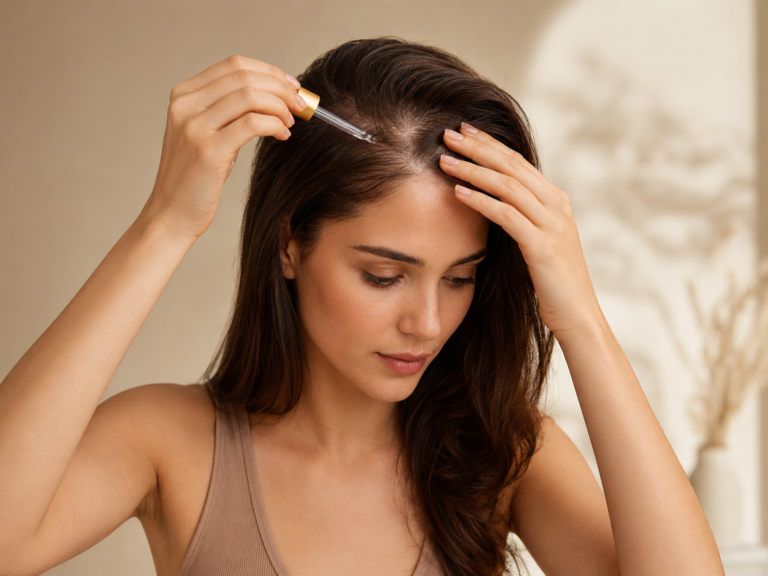
Oils can be useful in some routines, but if your scalp already feels greasy, heavy, or coated, adding more oil may make things worse. If you use something like <a href=”/rosemary-oil-for-hair” rel=”noopener noreferrer”>rosemary oil for hair</a>, keep it as a pre-wash treatment and wash it out properly.
Do not use dry shampoo for several days in a row without cleansing. Do not apply conditioner directly to oily roots unless your hair type genuinely needs it. And do not assume your scalp is “trained” to need less washing if it feels itchy, oily, or uncomfortable.
Your scalp does not need to follow internet rules. It needs to feel clean and balanced.
When Buildup Might Be Something Else
Sometimes what looks like scalp buildup may actually be dandruff, seborrheic dermatitis, psoriasis, eczema, or another scalp condition.
If you have persistent flakes, redness, burning, soreness, thick patches, bleeding, or severe itching, do not keep treating it like simple buildup. You may need a medicated shampoo or professional advice.
Cleveland Clinic notes that changing hair care products or trying a clarifying shampoo can help prevent product buildup, but ongoing scalp symptoms may need a more specific approach.
How to Prevent Scalp Buildup Coming Back
Once your scalp feels cleaner, the goal is maintenance.
Use fewer heavy products at the roots. Keep conditioner mostly on your mid-lengths and ends. Wash your hair based on your actual scalp, not someone else’s schedule. Rinse thoroughly. Clean your hairbrush regularly, because brushes can collect oil and product too.
If you go to the gym often, sweat can also mix with oil and product on your scalp. Our gym hair care guide explains how to manage sweat without overwashing your hair.
The Bottom Line with Scalp Buildup
Scalp buildup can make your hair feel greasy, heavy, itchy, and dirty even after washing. It usually happens when oil, sweat, dead skin, dry shampoo, and styling products collect on the scalp faster than your routine removes them.
The fix is not to attack your scalp with harsh scrubs or wash your hair five times in one day. Start by cleansing properly, reducing heavy products, using clarifying shampoo only when needed, and matching your wash routine to your scalp type.
Your roots should not feel heavy all the time. Once you clear the buildup and stop repeating the habits that caused it, your hair can feel lighter, fresher, and easier to manage.




4 Comments