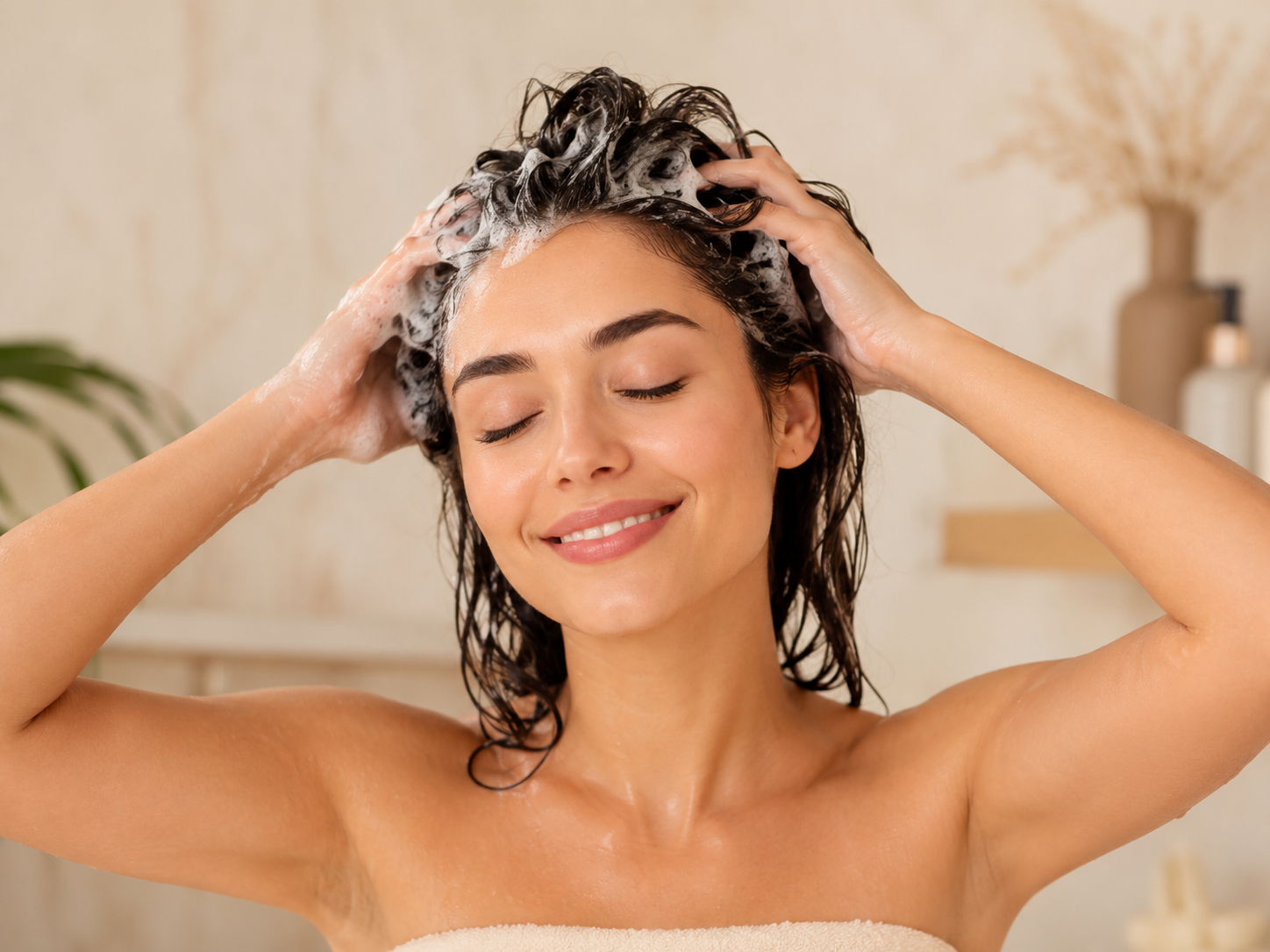
7 Mistakes Turning Your Hair Into An Oily Mess
Mistakes Turning Your Hair Into An Oily Mess are usually small habits that make your roots look greasy much faster than they should. You might wash your hair, style it, and feel like it looks fresh for a few hours — then by the next day, it already feels flat, heavy, and oily again.
The frustrating part is that greasy hair does not always mean your hair is dirty. Sometimes it is your scalp producing more oil, but other times it comes down to your shampoo technique, conditioner placement, product buildup, or even how often you touch your hair.
If you are still building a simple routine from scratch, start with our guide to a healthy hair care routine for beginners. Once you understand the basics, it becomes much easier to spot the habits that are making your hair greasy.
1. Washing Your Hair Too Quickly
One of the biggest oily hair mistakes is rushing your wash routine.
If your scalp is oily, shampoo needs enough time to properly break down oil, sweat, and product buildup. A quick wash where you barely massage your scalp may leave residue behind, which can make your hair feel greasy again very quickly.
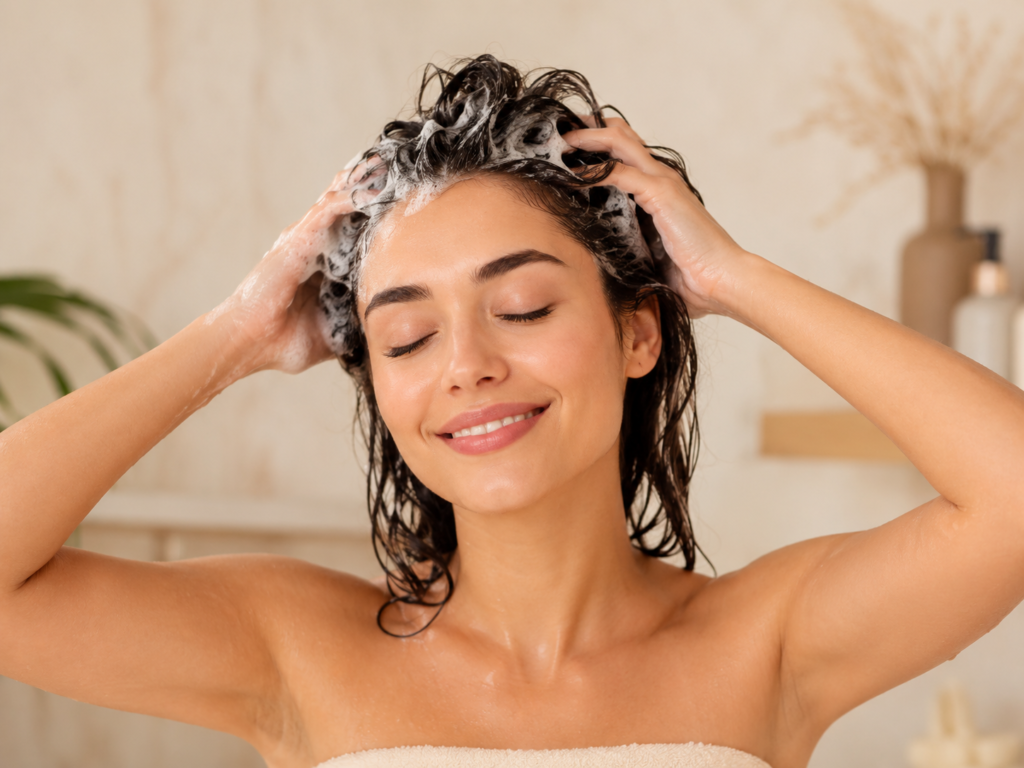
Focus the shampoo on your scalp, not your ends. Use your fingertips to gently massage the roots for at least 30–60 seconds, especially around the crown, hairline, and behind the ears. These areas can collect oil easily.
Your lengths do not need aggressive scrubbing. When you rinse, the shampoo will naturally run through the rest of your hair and clean it without drying it out too much.
2. Applying Conditioner Too Close to Your Roots
Conditioner is important, but putting it in the wrong place can make oily hair worse.
If your roots already get greasy quickly, applying conditioner directly to your scalp can make your hair look flat and heavy. Conditioner is usually meant for the mid-lengths and ends because those areas are older, drier, and more likely to need softness.
For oily roots, keep conditioner away from the scalp. Apply it from the middle of your hair down to the ends, then rinse thoroughly. If your hair is fine, use a lightweight conditioner so it does not weigh your hair down.
This small change alone can make your hair feel fresher for longer.
3. Using Too Many Styling Products
Greasy hair is not always just oil. Sometimes it is product buildup.
Leave-in conditioner, hair oil, styling cream, dry shampoo, mousse, gel, and hairspray can all build up on your scalp and hair. When this buildup mixes with natural oil, your hair can look greasy even if you washed it recently.
If your hair feels coated, dull, sticky, or heavy, your products might be the problem. Try reducing how many styling products you use at once. You do not need a leave-in, oil, cream, and spray every time you style your hair.
Use small amounts and focus products on the ends instead of the roots unless the product is specifically made for the scalp.
4. Touching Your Hair Throughout the Day
Touching your hair may seem harmless, but it can make oily hair worse.
Your hands naturally carry oil, skincare, sweat, and residue from everything you touch. Every time you run your fingers through your hair, adjust your fringe, or twist your strands, you transfer some of that onto your hair.
This is especially noticeable around the front pieces and roots. If your hair gets greasy fast near your face, touching it too often could be part of the reason.
Try styling your hair in a way that keeps it out of your face, especially on days when you want it to stay fresh. Loose ponytails, claw clips, or soft half-up styles can help reduce how often you touch it.
5. Using Dry Shampoo the Wrong Way
Dry shampoo can be helpful, but using it incorrectly can make your hair feel worse.
A lot of people spray dry shampoo only after their hair already looks very oily. By that point, it has to absorb a lot more oil, and it can leave your roots feeling powdery, gritty, or heavy.
A better method is to use a small amount before your hair gets extremely greasy, such as before bed or early on the second day. This gives it time to absorb oil before your roots look too shiny.
Do not keep layering dry shampoo for several days without washing your scalp. Too much dry shampoo can create buildup, make your scalp itchy, and leave your hair feeling dirty rather than fresh.
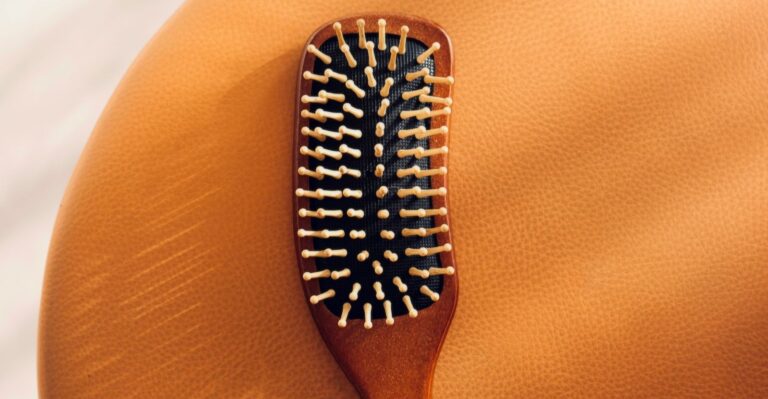
6. Brushing Too Much From the Roots
Brushing can spread oil from your scalp down through your hair.
This is not always a bad thing, especially for dry hair, but if your scalp is already oily, too much brushing can make your hair look greasy faster. Brushing repeatedly from the roots can move oil through the lengths and flatten your volume.
If your hair gets oily quickly, brush only when needed. Detangle gently from the ends first, then move upward. Avoid constantly brushing your roots throughout the day just to make your hair look neater.
If you use a brush often, clean it regularly too. Brushes collect oil, dust, product, and loose hair, and using a dirty brush can put all of that back onto clean hair.
7. Following the Wrong Wash Schedule for Your Scalp
Not everyone can wash their hair on the same schedule.
Some people can go several days without washing, while others need to wash more often. If your scalp is oily, forcing yourself to wait too long between washes can leave your hair greasy, itchy, and uncomfortable.
There is nothing wrong with washing your hair more often if your scalp needs it. The key is using a gentle shampoo and focusing on the scalp rather than stripping the entire length of your hair.
The American Academy of Dermatology explains that people with oily scalps may need to wash more often, while people with dry, curly, thick, or textured hair may need to wash less often.
The Bottom Line with turning your hair into an oily mess
Oily hair mistakes can make your hair look greasy much faster than it should, but most of them are easy to fix. Washing too quickly, applying conditioner near your roots, using too many styling products, touching your hair, overusing dry shampoo, brushing too much, or following the wrong wash schedule can all turn fresh hair into an oily mess.
Start by changing one or two habits first. Wash your scalp properly, keep conditioner on your lengths and ends, use fewer heavy products, and avoid touching your hair throughout the day.
The goal is not to completely stop oil production — your scalp needs some oil to stay healthy. The goal is to manage it better so your hair feels fresher, lighter, and easier to style.



5 Comments