
Does Collagen Help Hair Growth? An Honest, Evidence-Based Answer
The honest answer: collagen is the most promising of the popular hair supplements, but it is not a miracle. The strongest evidence is actually for your skin, and while some research suggests collagen peptides may support hair thickness and follicle health, the proof that it grows hair faster is still limited. If you want to try one supplement, collagen in hydrolysed peptide form is a more reasonable, better-evidenced pick than biotin, and it is generally safe. Just keep your expectations realistic.
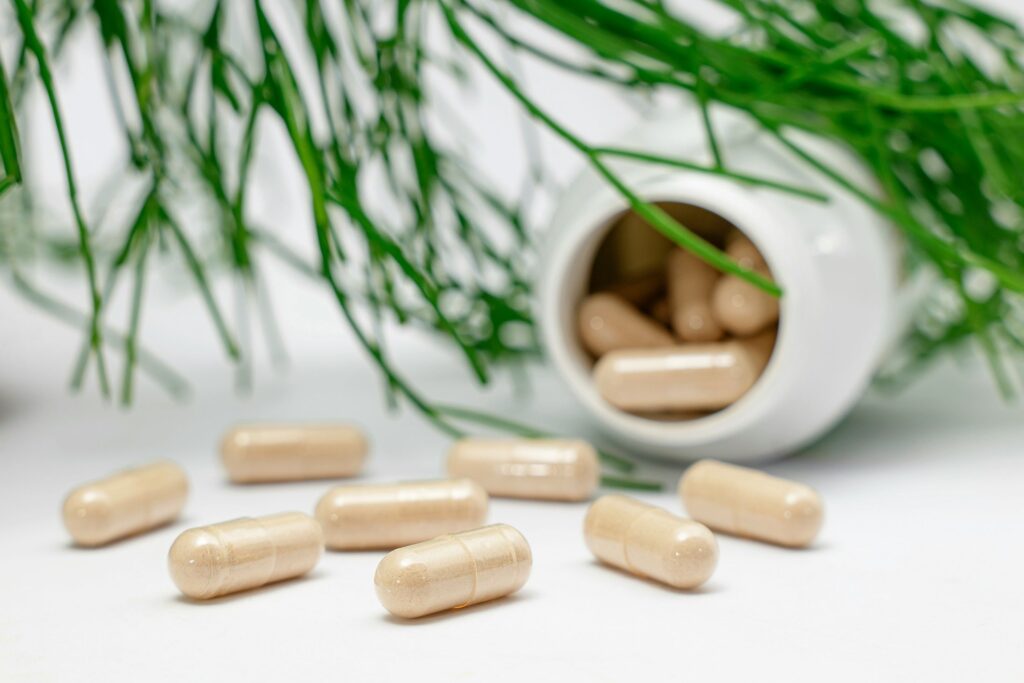
Collagen has gone from a quiet joint-health supplement to a beauty-aisle superstar, promising glowing skin, strong nails, and thicker hair all at once. Of all the hair supplements out there, it is the one with the most genuine science behind it. But there is still a big gap between “some promising evidence” and the miracle the marketing sells. Here is the honest, evidence-based version.
Does collagen help hair growth? The short answer
Collagen has more going for it than most hair supplements, but the picture is nuanced. Some studies have found that collagen peptides can improve hair thickness and support the cells around the follicle. Unlike biotin, that evidence is not limited only to people with a deficiency.
That said, the direct proof that collagen makes hair grow faster is still limited, and its strongest, most established benefits are for skin rather than hair. So the fair verdict is promising, not proven.
What collagen actually is
Collagen is the most abundant protein in your body. It is the scaffolding that gives structure to your skin, and it sits in the dermis, the deeper skin layer where your hair follicles actually live. Your natural collagen production slowly declines with age, which is part of why skin loses firmness over time. The idea behind supplementing is to top up the raw materials your body uses to build and support these structures.
How could collagen help your hair?
Here is the honest mechanism, because it is not quite what the adverts imply. Your hair is not made of collagen. It is made of a protein called keratin. So collagen does not simply turn into hair.
What it does provide is amino acids, the building blocks like proline and glycine that your body can use to make keratin. Collagen may also support the dermis and the follicles sitting within it, and it has some antioxidant activity. In short, collagen supports the environment your hair grows from, rather than being hair fuel itself.
Hydrolysed peptides: the form that matters
If you do try collagen, the form makes a real difference. Look for hydrolysed collagen peptides, sometimes labelled collagen peptides or bioactive collagen peptides. These are broken down into smaller pieces your body absorbs far more easily, up to around 90 percent, compared to regular collagen protein.
It is also worth pairing collagen with vitamin C, which your body needs in order to make its own collagen. Many of the better products already include it.
Marine, bovine, and “vegan” collagen
Most collagen supplements come from either fish (marine) or cows (bovine), and both provide usable collagen. If you are vegan or vegetarian, it is worth knowing that true collagen is always animal-derived. Products labelled “vegan collagen” do not contain collagen at all. They are usually collagen “builders,” a mix of vitamin C and amino acids meant to support your body’s own production. That is not the same thing, so read the label carefully.
How much should you take, and is it safe?
Studies tend to use a few grams of hydrolysed collagen peptides a day, and collagen is generally very well tolerated, with only occasional mild digestive effects. The main cautions are simple: check the source if you have a fish or beef allergy, and remember that no supplement will fix a problem caused by your genes, a medical condition, or a genuine nutritional deficiency.
So is collagen worth it for your hair?
Honest take: of all the popular hair supplements, collagen has the most reasonable case. It is better evidenced than biotin, it is generally safe, and it may genuinely support hair thickness and the skin your follicles grow from.
But it is not a guaranteed route to faster, thicker hair, and much of its strongest evidence is for skin. If you already eat plenty of protein and your diet is balanced, you may not need it at all. And if you are dealing with genuine hair loss, proven treatments like minoxidil will do far more than any supplement. Think of collagen as a reasonable “nice to have,” not a fix.
This article is general information, not medical advice. If you are experiencing hair loss, please speak to a doctor or dermatologist.
For the full comparison of every popular option, see my honest guide to hair growth supplements.
Frequently asked questions
Does collagen really thicken hair? Some studies suggest collagen peptides can improve hair thickness, but the evidence is still emerging and is stronger for skin than for hair. It may help, but do not expect a dramatic transformation.
How long does collagen take to work for hair? If it is going to help, give it at least three to six months, since hair grows slowly and the studies usually run around 90 days or longer.
Is collagen or biotin better for hair? Collagen has more promising evidence than biotin, which mostly only helps if you are actually deficient. Neither is a miracle. See my biotin guide for the full comparison.
What is the best type of collagen for hair? Hydrolysed collagen peptides, ideally paired with vitamin C, because they absorb best. Marine and bovine sources both work.
Can vegans take collagen for hair? Not true collagen, which is always animal-derived. “Vegan collagen” products are collagen builders, meaning vitamin C and amino acids, rather than collagen itself.