Retinol for Skin: These 7 Things Could Change Your Whole Game
Retinol for skin is one of the most talked-about skincare ingredients, but it is also one of the easiest to use incorrectly. People often start using retinol because they want smoother texture, fewer breakouts, brighter skin, or help with fine lines, but using too much too soon can leave the skin dry, irritated, and flaky.
Retinol is a form of vitamin A and belongs to the retinoid family. It is commonly found in over-the-counter skincare products like serums, creams, and night treatments. Cleveland Clinic explains that retinol is used in skincare for acne and signs of ageing, including fine lines and uneven texture.

1. Retinol Is a Beginner-Friendly Retinoid
Retinol is often considered a good starting point because it is usually gentler than stronger retinoids like retinal, adapalene, or prescription tretinoin.
That does not mean retinol cannot irritate your skin. It still needs to be introduced slowly, especially if your skin is dry, sensitive, or new to active ingredients. If you already use retinal for skin, you do not need to use retinol at the same time. Choose one retinoid, not both.
2. Retinol Can Help Improve Skin Texture
One of the main reasons people use retinol is to help skin look smoother over time.
Retinol can support skin cell turnover, which means it helps your skin shed old cells and reveal a fresher-looking surface. This can make rough texture, uneven patches, and dullness look less noticeable with consistent use.
It is important to be patient. Retinol is not an overnight product. Most people need several weeks of steady use before seeing visible improvement.
3. Retinol May Help With Fine Lines
Retinol is also popular because it can help reduce the look of fine lines over time.
Fine lines often become more noticeable when skin is dry, textured, or losing firmness. Retinol helps support smoother-looking skin, especially when used alongside moisturiser and daily SPF.
If your main concern is early signs of ageing, retinol can be a helpful ingredient, but it works best as part of a consistent routine rather than as a quick fix.
4. Retinol Can Help With Breakouts
Retinol may also help people who struggle with clogged pores or breakouts.
Because retinol supports skin cell turnover, it can help prevent dead skin cells from building up and blocking pores. This is one reason retinoids are often used in acne routines.
However, some people experience dryness or temporary breakouts when they first start retinol. If your skin becomes very irritated, painful, or inflamed, reduce how often you use it or stop until your skin calms down.
5. Retinol Can Irritate Your Skin
Retinol can be useful, but it is also one of the ingredients most likely to cause dryness if you rush it.
Common signs of irritation include tightness, peeling, redness, burning, and sensitivity. The American Academy of Dermatology recommends starting with the least intense retinoid formula and using it every other night at first, then slowly building up.
If your skin burns when you apply skincare, do not force retinol into your routine yet. Focus on calming your skin first.
6. Retinol Should Be Used at Night
Retinol is best used in your nighttime routine.
Start with a gentle cleanser, then make sure your skin is completely dry before applying retinol. Damp skin can make retinol absorb faster, which may increase irritation.
For beginners, the sandwich method is usually the safest option. Apply moisturiser first, then a pea-sized amount of retinol, then another layer of moisturiser. This helps buffer the retinol and makes it easier for your skin to tolerate.
A beginner retinol routine can look like this:
Cleanser → moisturiser → retinol → moisturiser
Once your skin is more comfortable, you may prefer:
Cleanser → retinol → moisturiser
You only need a small amount for your whole face. Avoid the corners of your nose, corners of your mouth, and very close to your eyes because these areas can become irritated easily.
7. Retinol Needs SPF Every Morning
If you use retinol at night, SPF in the morning is non-negotiable.
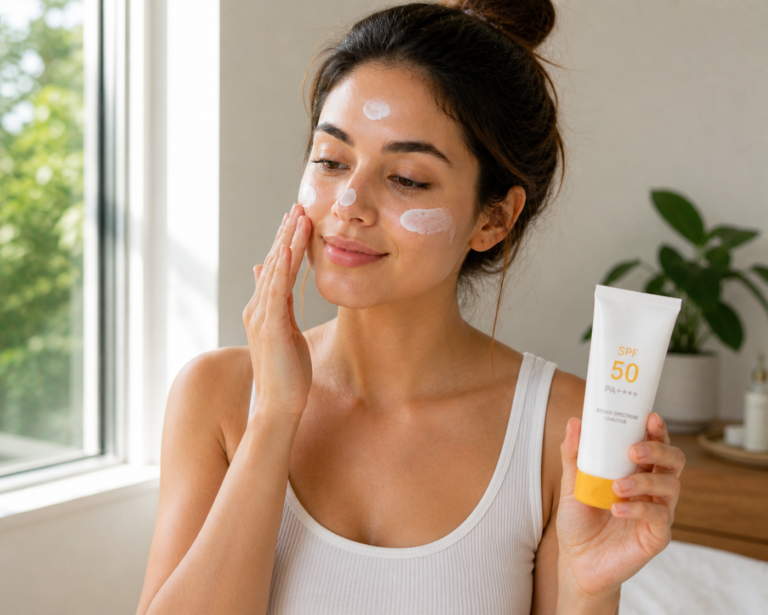
Retinol can make your skin more sensitive, and sun exposure can make dryness, irritation, and uneven tone worse. Daily sunscreen helps protect your progress and reduces the chance of your skin becoming more irritated.
If you are unsure which sunscreen suits you, read our guide on how to choose sunscreen for your skin type.
What Can You Use With Retinol?
Retinol works best with gentle, hydrating, barrier-supporting products.
You can use retinol with hyaluronic acid, glycerin, ceramides, niacinamide, and a simple moisturiser. These ingredients help keep your skin comfortable and reduce dryness while your skin adjusts.
If you want a gentle ingredient to support your routine, read our guide on niacinamide for skin.
What Should You Avoid With Retinol?
Beginners should avoid using retinol in the same routine as exfoliating acids, strong vitamin C, benzoyl peroxide, physical scrubs, or other retinoids.
This does not mean you can never use those ingredients, but layering them with retinol can increase dryness and irritation. If you want to use vitamin C, keep it in the morning and retinol at night. If you want to exfoliate, do it on a different night from retinol.
Do not use retinol with retinal, tretinoin, adapalene, or another vitamin A product in the same routine. Using multiple retinoids together is more likely to damage your barrier than improve your skin faster.
Who Should Avoid Retinol?
Retinol is not suitable for everyone.
If you are pregnant, trying to become pregnant, or breastfeeding, avoid retinol unless your doctor says otherwise. If you have eczema, rosacea, very sensitive skin, or a damaged skin barrier, retinol may also be too irritating at first.
If your skin barrier is already weak, start with how to fix your skin barrier before adding retinol.
The Bottom Line with Retinol for Skin
Retinol for skin can be a useful ingredient for texture, fine lines, breakouts, and uneven tone, but it needs to be introduced slowly. More retinol does not mean faster results. It usually means more irritation.
Start once or twice a week at night, use a small amount, moisturise well, and wear SPF every morning. If your skin becomes dry, flaky, or irritated, reduce how often you use it and focus on barrier support.
Retinol works best when your routine is simple, consistent, and patient.