5 Milky Toner Benefits for Skin You Need to Unlock Now
Milky toner benefits for skin are getting more attention because people are finally moving away from harsh, stripping routines and looking for products that make the skin feel comfortable again. If your face feels tight after cleansing, dull by midday, or dry even after moisturiser, a milky toner might be the missing layer your routine needs.
A milky toner is not the old-school toner that made your skin feel squeaky clean. It is usually softer, creamier, and more focused on hydration. Think of it as a lightweight comfort layer that goes between cleansing and moisturising.
Quick answer: milky toner benefits for skin include adding lightweight hydration, softening tightness, supporting the skin barrier, improving how moisturiser layers, and helping dry or dull skin look calmer and fresher.
What Is a Milky Toner?
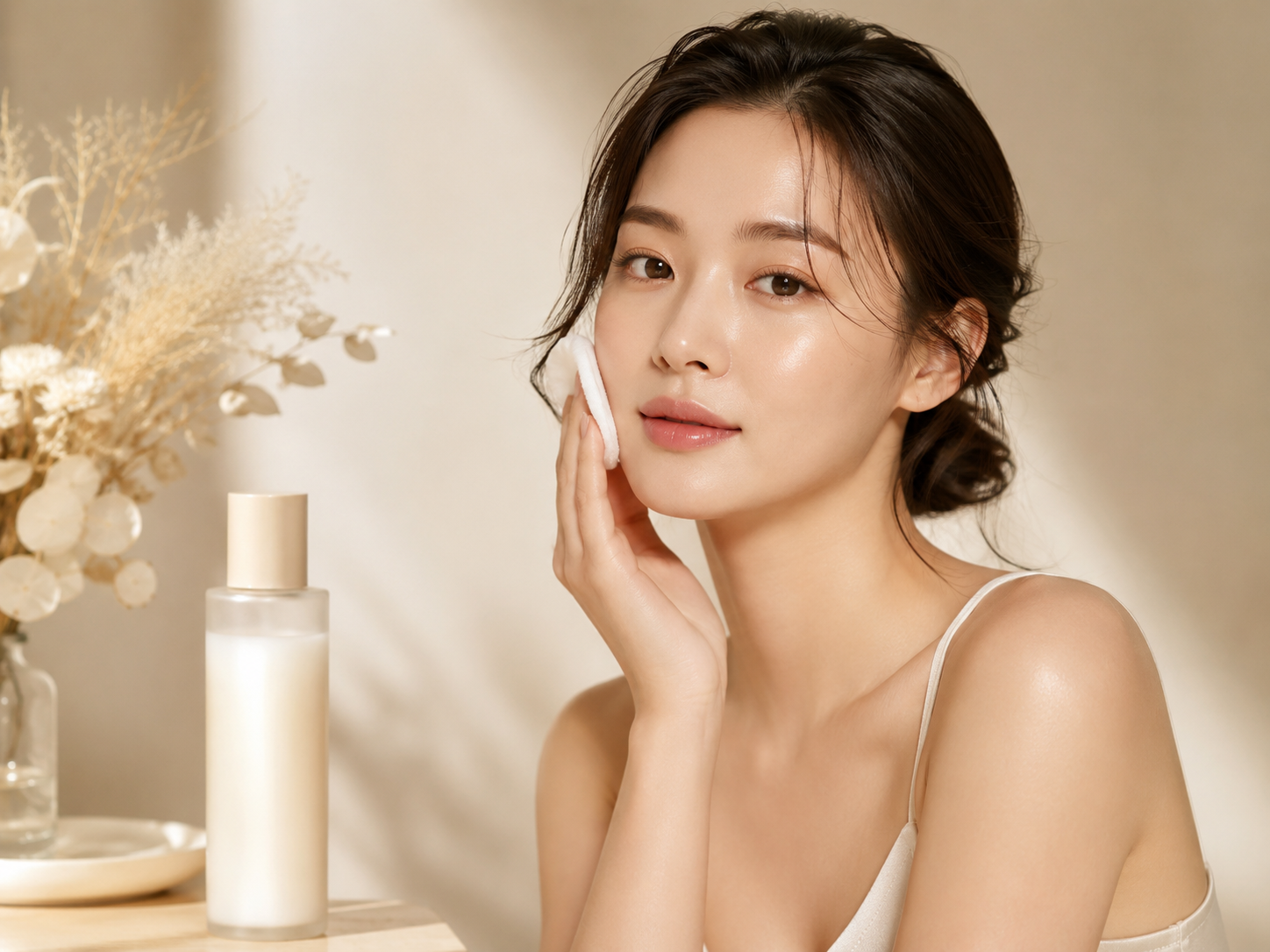
A milky toner is a liquid skincare product with a soft, cloudy, lotion-like texture. It is usually thinner than a moisturiser but richer than a watery toner.
The main purpose is to add hydration and comfort after cleansing. This is especially useful if your skin feels tight, rough, or slightly uncomfortable before you apply moisturiser.
The reason milky toners feel different is texture. They usually do not have the sharp, watery feel people associate with traditional toners. Instead, they feel more cushiony on the skin, which is why dry and sensitive skin types often find them easier to use.
How to Apply Milky Toner
Milky toner should be used after cleansing and before moisturiser.
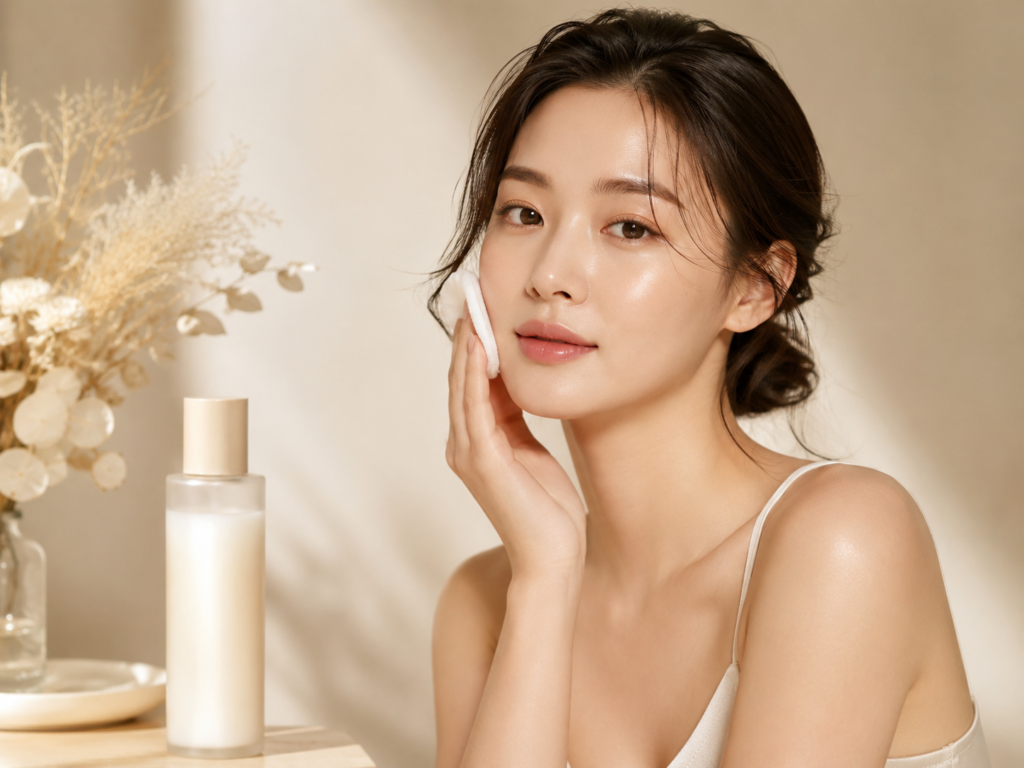
After washing your face, gently pat your skin so it is slightly damp but not dripping wet. Pour a small amount of milky toner into your palms, then press it into your skin instead of rubbing it aggressively. Using your hands is usually better than a cotton pad because you waste less product and it feels gentler on dry or sensitive skin.
If your skin feels very dry, you can apply a second light layer, but do not overload your face. The goal is to make your skin feel hydrated and comfortable, not sticky or heavy.
A simple routine would look like this:
Cleanser → milky toner → serum if you use one → moisturiser → SPF in the morning
At night:
Cleanser → milky toner → serum if you use one → moisturiser
Milky toner works best when you apply moisturiser afterwards, because the toner adds hydration and the moisturiser helps seal it in.
Milky Toners People Are Talking About
You do not need to buy the most expensive milky toner for it to work. The best option depends on your skin type, budget, and whether your skin is dry, sensitive, oily, or barrier-damaged.
A few popular examples include:
Laneige Cream Skin Milky Toner — often mentioned for dry skin because it contains ceramides and peptides and is designed for nourishing hydration. Sephora describes it as a Korean milky toner made for hydration and barrier support.
BYOMA Hydrating Milky Toner — a more affordable option with ingredients like polyglutamic acid and cica. BYOMA says it is alcohol-free and fragrance-free, which may make it more appealing if your skin is easily irritated.
The Ordinary Saccharomyces Ferment 30% Milky Toner — better for people who want a milky toner with a smoothing/radiance angle, because The Ordinary says it contains saccharomyces ferment and N-acetylglucosamine to help smooth uneven texture and boost radiance.
Rhode Glazing Milk — a viral option often discussed for glow and barrier support. Vogue lists Rhode Glazing Milk among notable milky toners, alongside Laneige Cream Skin and Ilia The Base Face Milk.
Do not choose based on hype alone. If your skin is dry and sensitive, look for fragrance-free, barrier-supporting formulas. If your skin is oily or acne-prone, choose something lighter and avoid formulas that feel too rich or sticky.
1. Milky Toner Adds Hydration Before Moisturiser
The first major benefit of a milky toner is hydration.
A lot of people apply moisturiser to skin that is already too dry. The moisturiser may help, but it can feel like it disappears quickly because there is not enough hydration underneath it.
A milky toner gives your skin a light layer of moisture before your cream goes on top. This can make your whole routine feel more comfortable, especially after cleansing.
The American Academy of Dermatology recommends applying moisturiser immediately after bathing or washing while the skin is still damp, because this helps trap moisture in the skin. A hydrating toner step fits this idea because it gives your moisturiser something to seal in.
If your skin still feels dry after moisturiser, read our guide on why your skin is still dry after moisturising.
2. Milky Toner Can Help Skin Feel Less Tight
That tight feeling after cleansing is usually a sign your skin is not comfortable.
Sometimes it happens because your cleanser is too harsh. Sometimes it happens because your skin barrier is weak. And sometimes your skin just needs hydration before moisturiser.
A milky toner can help soften that tight feeling because it adds a gentle layer of comfort before heavier products. It will not fix a bad cleanser or damaged barrier overnight, but it can make your routine feel less drying.
If your skin burns, stings, or feels irritated when you apply skincare, that may be more than normal dryness. Cleveland Clinic lists stinging when applying skincare, dry or flaky skin, inflammation, irritation, and sensitivity as possible signs of a damaged skin barrier.
For that, read our article on why your skin burns when you apply skincare.
3. Milky Toner Supports a Damaged Skin Barrier
One of the biggest milky toner benefits for skin is barrier support, depending on the formula.
Your skin barrier is the outer layer that helps keep moisture in and irritants out. When it is weakened, your skin can feel dry, reactive, rough, or uncomfortable. A good milky toner can support the barrier by adding hydrating and soothing ingredients before moisturiser.
Look for ingredients like glycerin, panthenol, ceramides, squalane, beta-glucan, and hyaluronic acid. These are the kinds of ingredients that help skin feel softer and more supported.
Ceramides are especially useful in barrier-focused skincare. Cleveland Clinic explains that ceramides are lipids found in the skin’s outer layer and help moisturise skin and replenish the skin barrier.
If your skin barrier feels weak, read our guide on how to fix your skin barrier before adding stronger active ingredients.
4. Milky Toner Makes Your Routine Feel More Comfortable
Sometimes your moisturiser is not the problem. The problem is that your skin already feels tight before you apply it.
A milky toner can make your routine feel more comfortable by adding a light layer of hydration after cleansing. This can help your moisturiser glide on more easily and stop your skin from feeling like it is instantly drinking up every product you apply.
This does not mean milky toner replaces moisturiser. It works best as a support step before moisturiser, especially if your skin feels dry, tight, or dull after cleansing.
5. Milky Toner Can Make Dull Skin Look Fresher
Dry skin often looks dull because it is not reflecting light evenly.
When your skin is dehydrated or rough, makeup can cling, texture can look more obvious, and your face can look tired even when you have slept enough. A milky toner can help by adding lightweight hydration and making the skin surface feel smoother.
This is not the same as exfoliation. A milky toner usually does not remove dead skin like an acid toner would. Instead, it helps skin look fresher by making it feel more hydrated and comfortable.
If your goal is glow, this is the gentler route. Instead of immediately reaching for acids or strong actives, start by making sure your skin is actually hydrated.
Who Should Use a Milky Toner?
A milky toner is most useful for dry, dehydrated, tight, dull, or barrier-stressed skin.
You might like it if your skin feels uncomfortable after cleansing, if your moisturiser never feels like enough, or if your makeup looks patchy because your skin is dry underneath.
It can also work for combination skin if you choose a lightweight formula. You do not need to apply it heavily everywhere. You can use more on dry areas and less on oilier areas.
Who Might Not Need One?
Not everyone needs a milky toner.
If your skin already feels balanced with cleanser, moisturiser, and SPF, you may not need another step. Skincare should solve a problem, not just add more layers.
Very oily or acne-prone skin can still use a milky toner, but texture matters. If a formula feels sticky, greasy, or heavy, it may not be the right one for you.
What Ingredients Should You Look For?
For dry or barrier-stressed skin, look for gentle hydrating and barrier-supporting ingredients.
Glycerin is great for drawing water into the skin. Panthenol can help skin feel calmer. Ceramides support the barrier. Squalane helps soften the skin without feeling as heavy as some oils. Hyaluronic acid can help with hydration, though it works best when sealed in with moisturiser.
Cleveland Clinic notes that moisturisers for dry skin often work best when they include a mix of humectants, occlusives, emollients, and ceramides.
What Should You Avoid?
If your skin is dry or sensitive, avoid milky toners that are packed with fragrance, strong exfoliating acids, or alcohol-heavy formulas.
A milky toner should not burn. It should not make your face feel tighter. It should not leave your skin red or irritated.
If a product stings every time you use it, your skin is telling you something. Stop using it and go back to a simpler routine.
The Bottom Line with Milky Toner Benefits for Skin
Milky toner benefits for skin are not about adding a trendy extra step for no reason. They are about giving dry, tight, dull, or barrier-stressed skin a lightweight layer of hydration before moisturiser.
A good milky toner can help your skin feel softer, calmer, and less tight. It can make moisturiser layer better and help your routine feel more comfortable overall.
But it is not magic, and it is not a replacement for moisturiser. Use it as a support step: cleanse, apply milky toner, moisturise, and finish with SPF in the morning.