Ectoin for Stressed Skin: Why Your Face Might Love This Ingredient
Ectoin for stressed skin is starting to get more attention because people are tired of skincare that only focuses on strong actives. Not every skin problem needs exfoliating acids, retinoids, or another “glow” serum. Sometimes your skin feels dry, tight, sensitive, irritated, or overworked — and what it really needs is support.
That is where ectoin becomes interesting.
Ectoin is a skincare ingredient known for hydration, barrier support, and helping skin feel more comfortable when it is dealing with environmental stress. It is not as famous as niacinamide or hyaluronic acid yet, but it fits perfectly into the newer skincare mood: calmer skin, stronger barriers, and less irritation.
Quick answer: ectoin for stressed skin can help support moisture, comfort, and barrier care. It may be useful if your skin feels dry, sensitive, tight, irritated, or easily affected by weather, pollution, harsh products, or over-exfoliation.
What Is Ectoin?
Ectoin is a protective molecule originally found in microorganisms that survive extreme environments, such as high salt, heat, and dryness. In skincare, it is used because of its ability to help protect and hydrate the skin. A scientific review describes ectoine as a natural cell protectant and notes that topical ectoine has been studied for barrier support and skin protection.
The easiest way to understand ectoin is this: it helps create a more comfortable environment for stressed skin.
It is not an exfoliant. It is not a retinoid. It is not there to force your skin to renew faster. It is more of a support ingredient — the kind you might reach for when your skin feels overwhelmed.
Why Is Everyone Suddenly Talking About Ectoin?
Ectoin is becoming popular because skincare is moving away from “do more” and toward “support better.”
For years, a lot of people focused on strong ingredients: acids, retinol, vitamin C, peels, and resurfacing products. Those can be useful, but they can also leave skin irritated if used too often. Now, barrier-friendly ingredients are getting more attention because people are realising that healthy-looking skin starts with comfort and resilience.
Beauty editors and dermatology-led coverage have described ectoin as a standout hydrating and barrier-supporting ingredient, especially for sensitive or compromised skin.
That does not mean ectoin is magic. It means it fits a very real need: skin that feels stressed, dry, reactive, or tired of being pushed too hard.
What Does “Stressed Skin” Actually Mean?
Stressed skin is not a medical diagnosis. It is more of a practical way to describe skin that feels uncomfortable or easily irritated.
Your skin might feel stressed if it is tight after cleansing, stings when you apply products, looks red, feels dry even after moisturiser, or reacts to products it used to tolerate. It can also happen after over-exfoliating, using too many actives, spending time in harsh weather, or damaging your skin barrier.
If your skin burns often when you apply products, read our guide on why your skin burns when you apply skincare. Ectoin may help support stressed skin, but it will not fix a routine that is constantly irritating your face.
1. Ectoin Can Help Skin Feel More Hydrated
One of the biggest reasons people use ectoin is hydration.
Dry or dehydrated skin often feels tight, rough, dull, or uncomfortable. Ectoin is used in skincare because it helps support water balance in the skin. Research has discussed ectoine’s ability to support hydration and improve skin barrier-related parameters, especially when skin is under stress.
This makes it different from ingredients that simply sit on top of the skin. Ectoin is often described as helping skin hold onto moisture and feel more resilient.
If your skin still feels dry after moisturising, you may also want to read why your skin is still dry after moisturising, because hydration depends on your cleanser, moisturiser, timing, and barrier health too.
2. Ectoin Supports the Skin Barrier
Your skin barrier is what keeps moisture in and irritants out. When it is weak, your skin can feel dry, sensitive, itchy, red, or reactive.
Ectoin is useful because it is often linked with barrier support. A review of topical ectoine in inflammatory skin conditions found evidence that topical ectoine improved subjective and clinical status in patients with inflammatory skin diseases, although results depend on the condition and product used.
For everyday skincare, this means ectoin may be helpful when your skin feels fragile or easily irritated.
If your barrier already feels damaged, start with our guide on how to fix your skin barrier. Ectoin can be a supporting ingredient, but your routine still needs to be gentle overall.
3. Ectoin May Help Calm the Feeling of Irritation
Ectoin is not a steroid, medicine, or instant redness cure. But it is often used in formulas designed for sensitive, dry, or irritated skin.
Because it supports hydration and barrier comfort, it may help skin feel calmer when it is reacting to dryness, weather changes, pollution, or too many active ingredients. Some research also describes ectoin as having protective and anti-inflammatory potential in skin-related contexts.
This is why it can be especially appealing if your skin does not tolerate strong actives well.
If your skin is currently burning, peeling, or very red, do not add five new products. Go back to a simple routine first.
4. Ectoin Works Well With Other Gentle Ingredients
Ectoin is usually easy to fit into a routine because it is not an aggressive active.
It can pair well with ingredients like glycerin, ceramides, hyaluronic acid, panthenol, squalane, and niacinamide. These ingredients all support hydration, softness, and barrier comfort in different ways.
If you already use niacinamide for skin, ectoin can sit in the same general “supportive skincare” category. Niacinamide is more famous, but ectoin may be a nice option if you want something focused on stressed, dry, or environmentally exposed skin.
5. Ectoin Is Not a Replacement for Moisturiser
This matters.
Ectoin is helpful, but it does not replace your moisturiser. A serum or toner with ectoin may add hydration and comfort, but your moisturiser still helps seal everything in and support the skin barrier.
A simple routine could look like this:
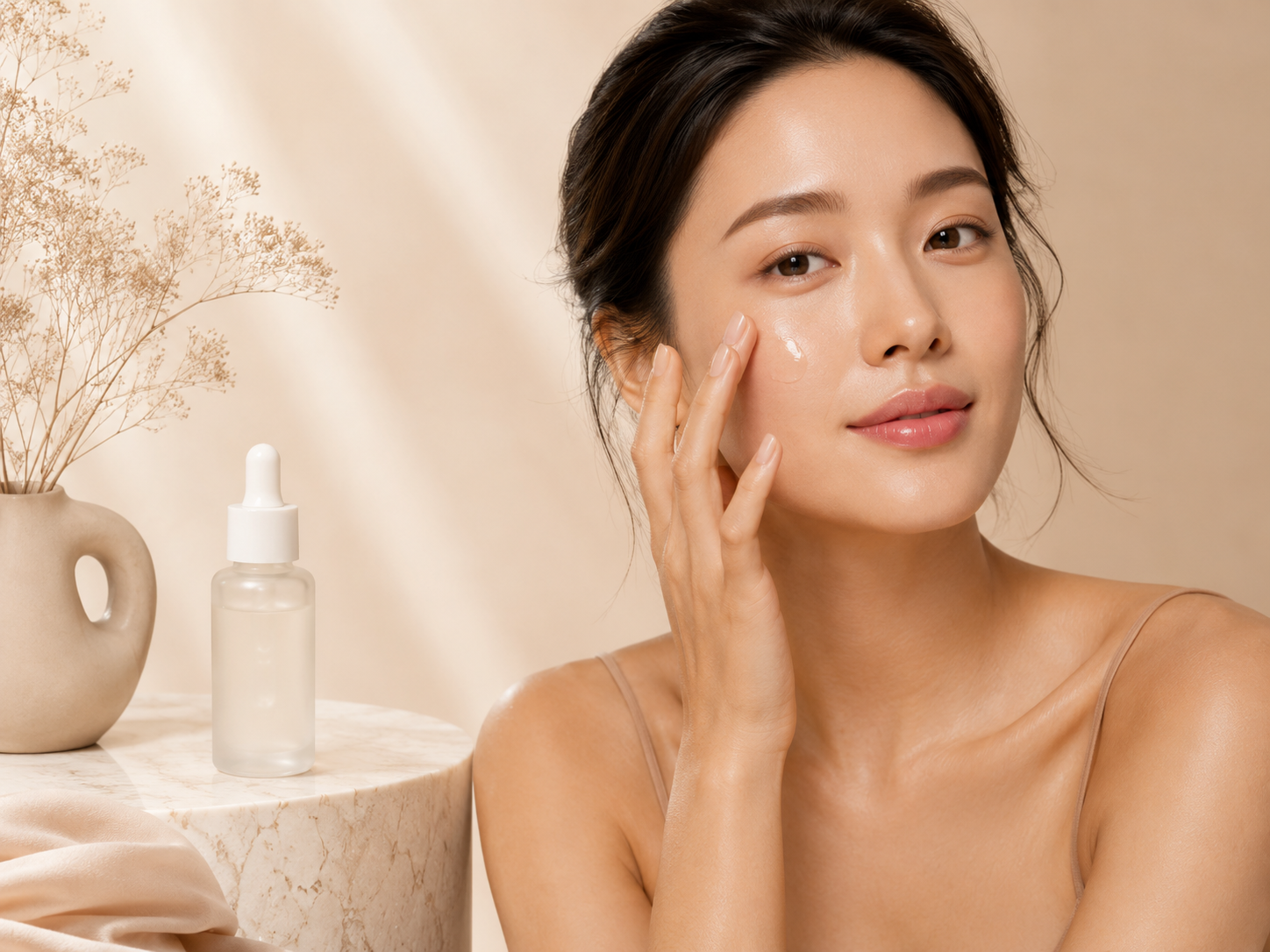
Cleanser → ectoin serum or toner → moisturiser → SPF
At night:
Cleanser → ectoin serum or toner → moisturiser
If your skin is very dry, ectoin should be treated as a support step, not the whole routine.
Who Should Try Ectoin?
Ectoin may be worth trying if your skin feels dry, stressed, sensitive, tight, or easily irritated.
It may also be useful if your skin barrier feels weak, if your face reacts badly to harsh weather, or if you use actives like retinoids and need more support around them. If you use retinol for skin or retinal for skin, ingredients like ectoin can be useful on non-irritating support days.
It is also a good ingredient to know if your skin feels overworked from too much exfoliation or too many products.
Who Might Not Need Ectoin?
Not everyone needs ectoin.
If your skin already feels balanced, hydrated, and calm with your current routine, you do not need to add it just because it is trending. Skincare should solve a problem, not create a longer routine for no reason.
Also, if your irritation is caused by a medical skin condition, severe eczema, rosacea flare-ups, or persistent burning, ectoin alone is not enough. In that case, professional advice is better than guessing.
What Type of Product Should You Choose?
Ectoin can appear in serums, moisturisers, toners, creams, and barrier-support products.
For dry or sensitive skin, a serum or moisturiser is usually the easiest place to start. If your skin is oily but stressed, choose a lightweight serum. If your skin is dry and tight, choose a creamier formula with ectoin plus ceramides, glycerin, or panthenol.
Avoid choosing a product just because it contains ectoin. Look at the full formula. If it also contains fragrance, strong acids, or ingredients your skin usually hates, it may still irritate you.
The Bottom Line with Ectoin for Stressed Skin
Ectoin for stressed skin is worth knowing because it fits the kind of skincare many people actually need: calmer, more hydrated, better-supported skin.
It will not resurface your skin overnight. It will not replace retinol, exfoliation, moisturiser, or SPF. But it can be a useful support ingredient if your skin feels dry, tight, sensitive, irritated, or overwhelmed.
Think of ectoin as a comfort ingredient. It helps your routine feel less aggressive and more barrier-focused — and for stressed skin, that can make a real difference.