
The Truth About Blush: Your Skin Type Changes Everything
Why Skin Type Matters When Choosing Blush
Choosing the best blush for skin types is essential for achieving a natural and long-lasting makeup look. Blush doesn’t just add color — it interacts with your skin’s natural oils, moisture levels, and texture. That’s why the same blush can look smooth and long-lasting on one person but uneven or patchy on another. Choosing the best blush for skin types is important because different formulas interact differently with your skin.
Your skin produces sebum (natural oil) and retains moisture differently depending on your skin type. These factors affect how well blush adheres to your skin, how long it lasts, and how it looks throughout the day.
Choosing the right formula ensures your blush works with your skin rather than against it. Understanding the different types of blush can also help you choose the right formula for your skin. If you’re new to makeup, it’s helpful to first understand what is blush and how it works.
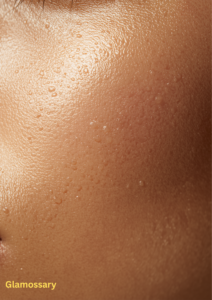
Best Blush for Oily Skin
Oily skin produces excess sebum, which can break down makeup and cause it to fade or slide.
Best formula:
- Powder blush
Key ingredients:
- Silica – absorbs excess oil
- Talc – creates a smooth, matte finish
- Zinc PCA → helps regulate oil production
Why it works
Powder blush does not contain oils and sits on top of the skin. Ingredients like silica absorb oil, helping reduce shine and improve longevity.
Tip
Always apply blush after setting your base with powder for better longevity.
Best Blush for Dry Skin
Dry skin lacks moisture and can make makeup appear flaky or uneven.
Best formulas:
- Cream blush
- Liquid blush
- Stick blush
Key ingredients:
- Glycerin – draws moisture into the skin
- Plant oils and butters – soften and smooth
- Hyaluronic acid → helps retain hydration
Why it works
Dry skin lacks moisture, so powder blush can cling to dry patches. Cream and liquid formulas contain hydrating ingredients that blend into the skin and create a smoother, more natural finish.
Application tip
Apply blush before powder and blend gently to avoid disturbing dry areas.
Best Blush for Combination Skin
Combination skin includes both oily and dry areas.
Best approach:
Use cream blush, then lightly set with powder
What to look for
- Lightweight emollients
- Oil-balancing ingredients like silica
Why it works
Combination skin needs both hydration and oil control. Cream blush hydrates dry areas, while powder helps control shine in oily zones.
Tip
Apply powder only where needed instead of the whole face.
Best Blush for Sensitive Skin
Sensitive skin can react to certain ingredients.
Best formulas:
- Gel blush
- Lightweight liquid blush
Look for:
- Fragrance-free formulas
- Non-comedogenic products
- Minimal ingredient lists
Avoid:
- Artificial fragrances
- Alcohol-heavy formulas
Why it works
Sensitive skin reacts easily to harsh ingredients. Lightweight, simple formulas reduce irritation and feel more comfortable on the skin.
Tip
Test new products on a small area before applying fully.
Blush for Skin Conditions (Eczema, Acne and Texture)
Eczema-Prone Skin
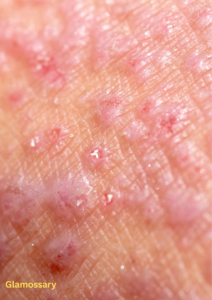
Best choice:
Cream blush (Including balm formulas)
What to look for:
- Glycerin → hydration
- Ceramides → support skin barrier
- Shea butter → reduce dryness
Avoid:
- Fragrance (parfum)
- Alcohol denat.
- Powder formulas
- Essential oils
Why:
Eczema weakens the skin barrier, causing dryness and irritation. Hydrating, emollient-rich formulas help protect and soothe the skin.
Tip:
Apply using gentle tapping motions instead of rubbing.
Acne-Prone Skin
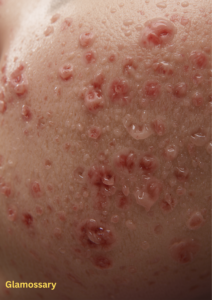
Best Choice:
- Lightweight powder or gel blush
What to look for:
- Non-comedogenic formulas
- Oil-Free formulas
Avoid:
- Coconut oil (can clog pores)
- Isopropyl myristate
- Heavy waxes
Why:
Acne-prone skin is more likely to clog pores. Lightweight formulas reduce buildup and allow the skin to breathe.
Tip:
Please ensure that you clean your makeup brushes regularly.
Textured Skin (Large Pores or Uneven Skin)
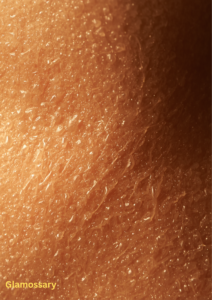
Best Choice:
- Cream or liquid blush
What to look for:
- Dimethicone → smooths skin
Avoid:
- Heavy shimmer or glitter
- Thick powders
Why:
Smoothing ingredients reduce the appearance of texture.
Blush for Specific Skin Conditions and Concerns
Rosacea (Redness-Prone Skin)
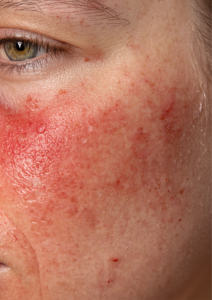
Best Choice:
- Liquid or Cream Blush
What to look for:
- Fragrance-free formulas
- Soothing ingredients
Avoid
- Menthol
- Alcohol denat.
- Strong pigments (bright reds)
Why
Harsh ingredients can trigger redness and irritation.
Hyperpigmentation
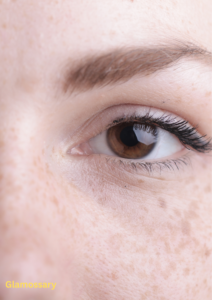
Best Choice:
- Cream or Liquid Blush
What to look for:
- Light, buildable formulas that can be layered gradually
Avoid:
- Chalky powders
- Uneven pigments
Why
Smooth formulas create a more even appearance.
Mature Skin
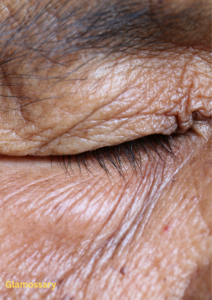
Best Choice:
- Liquid or Cream Blush
What to look for:
- Hydrating ingredients like glycerin
Avoid:
- Heavy powders
- Glittery formulas
Why:
Hydrating formulas prevent settling into fine lines.
Enlarged Pores
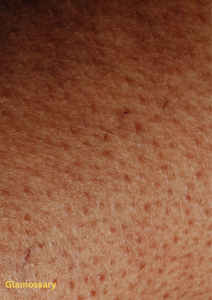
Best Choice:
- Lightweight powder or cream
What to look for:
- Finely milled formulas
Avoid:
- Heavy shimmer
- Thick, cakey products
Why:
Lightweight textures reduce the appearance of pores.
Dehydrated Skin
Best Choice:
- Liquid Blush
What to look for:
- Glycerin
- Water-based formulas
Avoid:
- Alcohol-heavy formulas
- Matte powders
Why:
Hydrating ingredients restore moisture and improve skin appearance.
Post Acne Marks (PH)
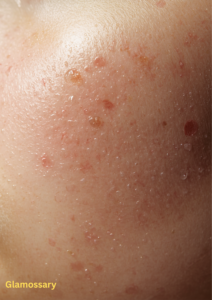
Best Choice:
- Cream or liquid blush
What to look for:
- Blendable formulas that spread easily and create a smooth, even finish on the skin
Avoid:
- Harsh powders
- Uneven pigmentation
Why:
These formulas blend seamlessly and even out tone.
If you have severe or medical skin conditions, consider using gentle products and consulting a skincare professional.
How to Make Blush Last Longer on Any Skin Type
Glam Tips:
- Prep your skin (Good skin prep goes a long way!)
- Layer cream under powder (You will see the professionals doing this)
- Use setting spray (For that flawless finish)
Science behind it
Ingredients like dimethicone and film-forming agents help lock pigment in place.
Common Mistakes to Avoid
- Using powder on dry skin
- Not setting cream on oily skin
- Ignoring skin conditions
- Applying too much (Less is more)
Real Skin will always look different from what you see on Social Media. You are beautiful just the way you are and you deserve to feel and look your best.
2 Comments