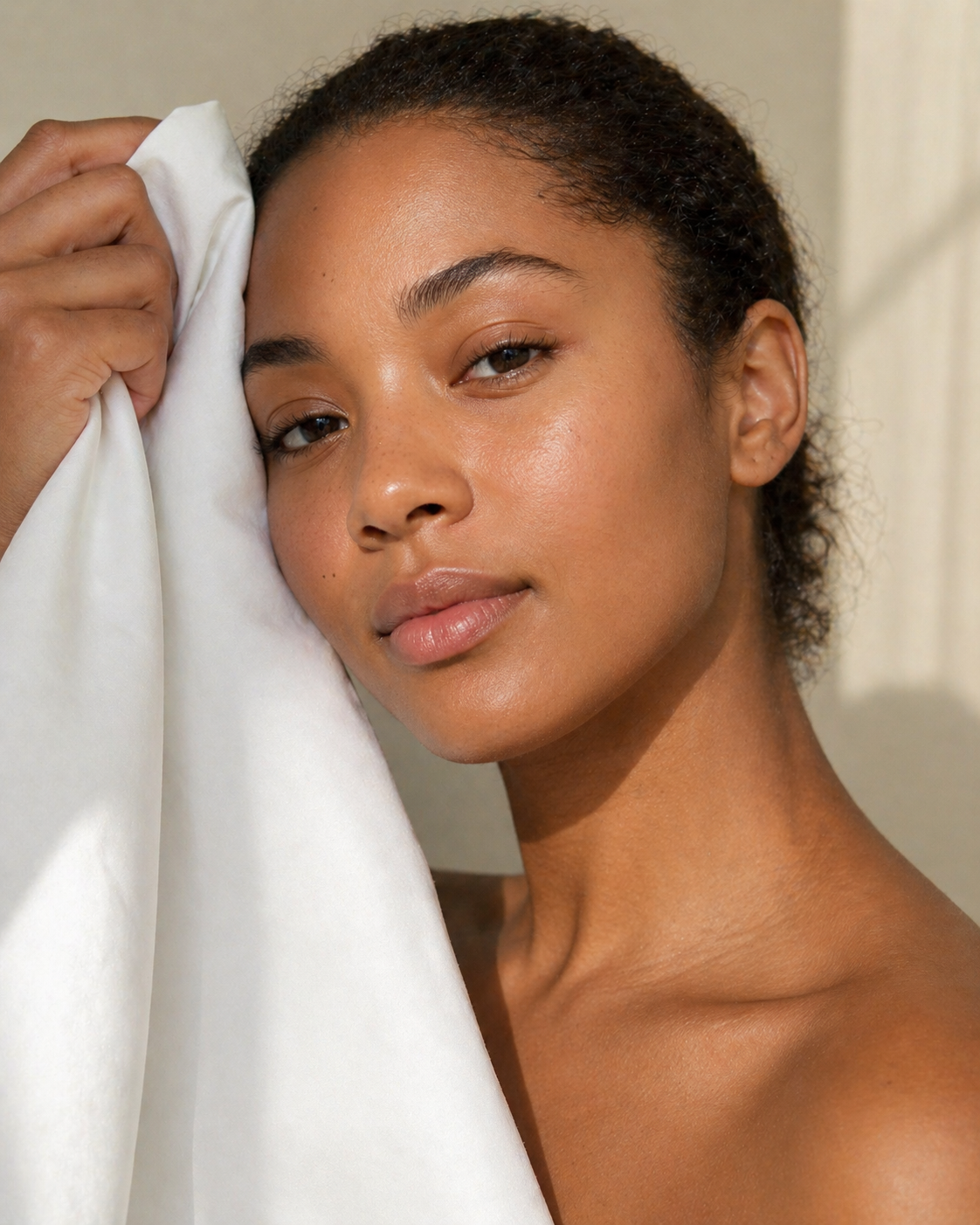
How to Find Your Foundation Shade: The Easy Beginner’s Guide to Undertones
One of the biggest mistakes beginners make when choosing foundation is picking a shade that matches their skin colour — but completely ignores their undertone. The result? A foundation that looks orange, too grey, or just slightly “off” no matter how well you blend it. If that sounds familiar, this guide is exactly what you need. How to find your foundation shade is one of the most common questions beginners ask — and the key is understanding your undertone, not just your skin tone.
Finding your perfect foundation shade is actually much simpler than it sounds. You just need to understand two things: your skin tone and your undertone. Let’s break both down clearly.
Skin Tone vs Undertone — What’s the Difference?
These two terms get confused all the time, but they mean completely different things.
Skin tone is the surface colour of your skin — how light or dark it is. Most foundations label this as fair, light, medium, tan or deep. This is the starting point for narrowing down your shade range.
Undertone is the subtle colour that lives beneath your skin’s surface. Unlike your skin tone, your undertone never changes — even when you get a tan, get paler in winter, or have a breakout. It’s always there underneath.
Understanding your undertone is the key to finding your perfect foundation shade match. If you want a more in-depth explanation of how skin tone and undertones work, the American Academy of Dermatology provides a clear overview.
The 3 Undertones Explained
There are three undertones and every person falls into one of them:
Warm undertones have hints of yellow, golden or peachy hues beneath the skin. If you’ve ever been told your skin looks “golden” or “sun-kissed” even without a tan, you’re likely warm.
Cool undertones have hints of pink, red or bluish hues beneath the skin. If your skin tends to look rosy, pink or has a slight blueish tint, you’re likely cool.
Neutral undertones are a mix of both warm and cool — no single hue dominates. Neutral undertones are the most flexible when it comes to foundation shade matching.
4 Simple Ways to Find Your Undertone at Home
You don’t need to go to a beauty counter to figure out your undertone. Try these tests at home:
1. The Vein Test

Look at the veins on the inside of your wrist in natural light:
- Blue or purple veins → cool undertone
- Green veins → warm undertone
- Blue-green veins → neutral undertone
2. The Jewellery Test
Think about which metal jewellery looks best against your skin:
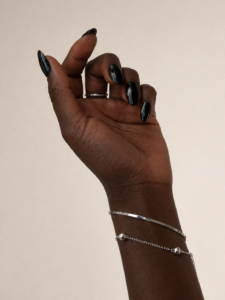
- Gold looks better → warm undertone
- Silver looks better → cool undertone
- Both look equally good → neutral undertone
3. The White Fabric Test
Hold a piece of bright white fabric next to your bare face in natural light:
- Your skin looks more yellow or peachy → warm undertone
- Your skin looks more pink or rosy → cool undertone
- Your skin looks neither → neutral undertone
4. The Sun Test
Think about how your skin reacts in the sun:

- You tan easily and rarely burn → warm undertone
- You burn easily and rarely tan → cool undertone
- You sometimes tan and sometimes burn → neutral undertone
If you get the same result from most of these tests, that’s your undertone!
How to Use Your Undertone to Find Your Foundation Shade
Once you know your undertone, here’s how to use it when shopping for foundation:
Warm undertone — look for foundations labelled W, Warm, Golden or Yellow. Avoid anything labelled Cool or Pink as it will make your skin look ashy.
Cool undertone — look for foundations labelled C, Cool, Pink or Rose. Avoid anything too yellow or golden as it will make your skin look orange.
Neutral undertone — lucky you! You can wear both warm and cool shades. Look for foundations labelled N, Neutral or Beige.
The Golden Rule: Always Test on Your Jawline
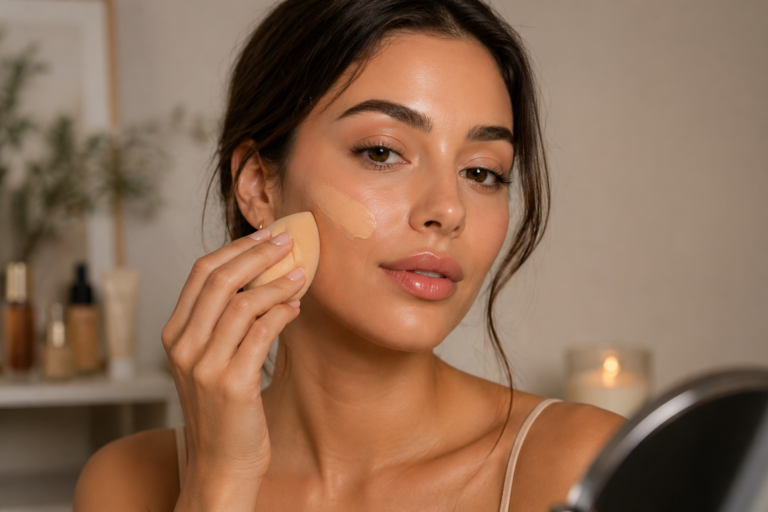
Never test foundation on your hand or wrist — your hand is almost always a different shade to your face. Instead:
- Swipe 2-3 shades along your jawline
- Step outside or stand by a window in natural daylight
- Wait 5-10 minutes for the foundation to settle and oxidise (some foundations get slightly darker after sitting on skin)
- The shade that disappears into your skin is your match
A Quick Tip for Online Shopping
If you’re buying foundation online and can’t swatch in person:
- Check if the brand labels shades with C, W or N — this tells you the undertone
- Read reviews from people who describe a similar skin tone and undertone to yours
- Order two shades that seem close — most brands have good return policies
Best Foundation Shades for Each Undertone
Now that you know your undertone, here’s a simple guide to help you pick the right shade when you’re standing in the beauty aisle:
If You Have Warm Undertones:
Look for shades with words like Golden, Honey, Caramel, Buff, Sand or Warm in the name. These have yellow and golden pigments that will blend seamlessly into your skin. Avoid anything described as Porcelain, Rose or Pink as these will make your skin look ashy or grey.
If You Have Cool Undertones:
Look for shades described as Porcelain, Rose, Ivory, Blush or Pink. These have pink and blue pigments that complement your natural hue. Avoid shades labelled Golden, Honey or Caramel as these will make your skin look orange or muddy.
If You Have Neutral Undertones:
You have the most flexibility! Look for shades labelled Beige, Natural, Classic or Nude. These sit right in the middle and won’t pull too warm or too cool on your skin.
A Simple Rule to Remember:
If your foundation looks orange → go cooler If your foundation looks grey or ashy → go warmer If your foundation looks pink → go more neutral or warmer
The Bottom Line
Finding your foundation shade starts with knowing your undertone. Check your veins, try the jewellery test, and always swatch on your jawline in natural light. Once you know whether you’re warm, cool or neutral, shade matching becomes so much easier — and your foundation will finally look like your skin, not a mask. Once you know your undertone, everything in your makeup routine starts to make more sense — especially blush. If your blush never looks quite right, read our guide on how to choose the perfect blush for your undertone.
Already found your shade? Check out our guide on types of foundation makeup to find the perfect formula for your skin type.


One Comment