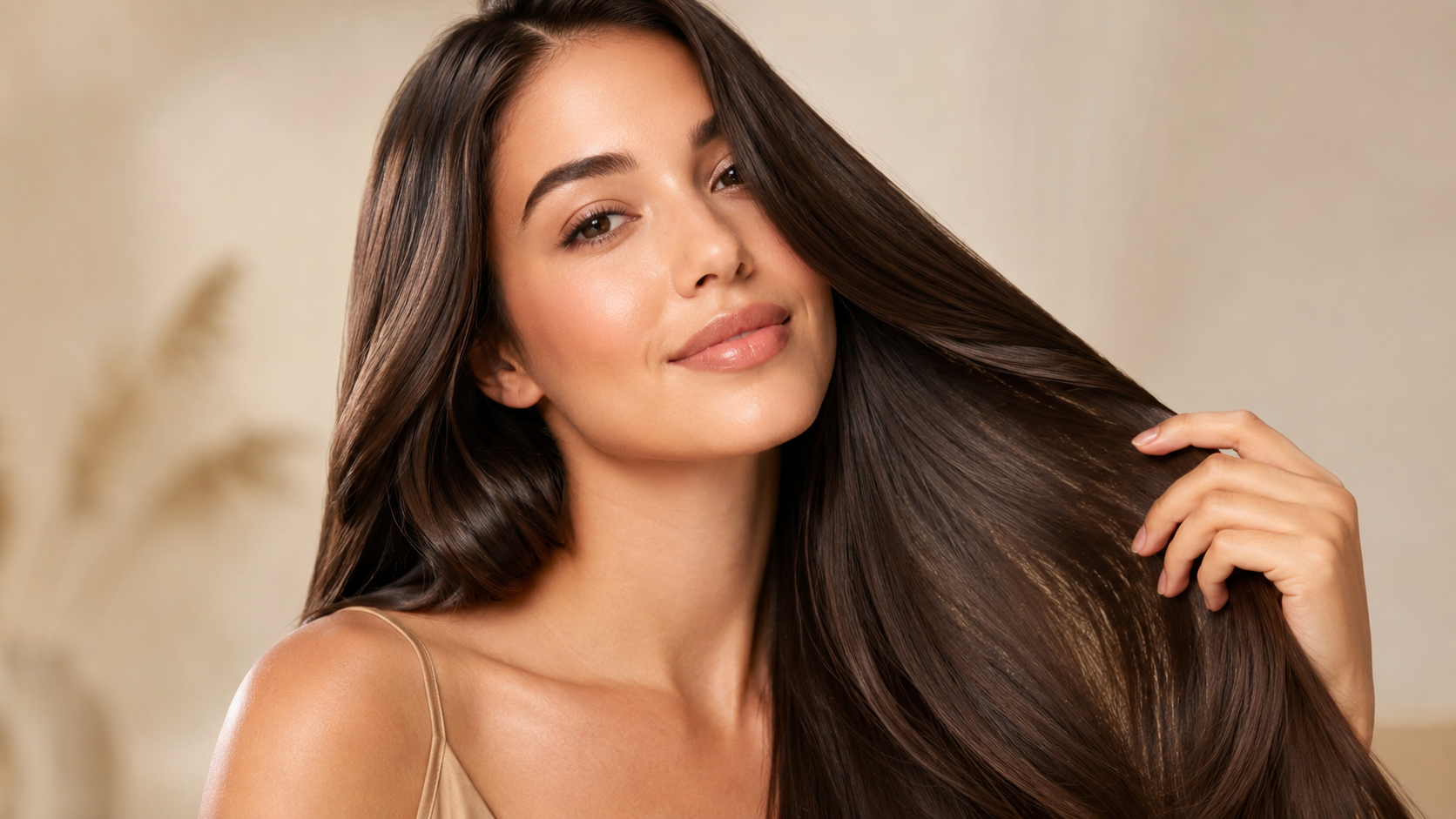
Healthy Hair Care Routine for Beginners: 7 Simple Steps
Healthy hair care routine for beginners does not need to be complicated. If your hair feels dry, frizzy, greasy, dull, or difficult to manage, the answer is not always buying more products. Sometimes, the biggest improvement comes from learning how to wash, condition, dry, and handle your hair properly.
Just like skincare, hair care works best when you start with the basics. You do not need a shelf full of masks, oils, sprays, and treatments straight away. You need a simple routine that keeps your scalp clean, your hair moisturised, and your strands protected from unnecessary damage.
If you’re building your self-care routine from scratch, you may also find our basic skincare routine for beginners helpful because hair and skin both improve with simple, consistent habits.
1. Understand Your Hair Type First
Before choosing products, you need to understand what your hair naturally needs.
Fine hair usually gets weighed down easily, so lighter products often work better. Thick hair may need richer conditioners or leave-in products to stay soft and manageable. Curly or textured hair often needs more moisture because natural oils take longer to travel down the hair strand. Straight hair may become oily faster near the roots.
Your hair type affects how often you wash, how much conditioner you need, and which products are worth using. Once you understand your hair better, your routine becomes easier to build.
2. Shampoo Your Scalp, Not Your Ends
One of the biggest beginner mistakes is applying shampoo all over the hair and rubbing it through the lengths.
Shampoo is mainly for your scalp. Its job is to remove oil, sweat, dirt, and product buildup from the roots. Your ends are older, drier, and more fragile, so they usually do not need the same amount of cleansing.
When you wash your hair, gently massage shampoo into your scalp with your fingertips. Do not scratch with your nails. When you rinse, the shampoo will naturally run through the rest of your hair and clean the lengths without drying them out too much.
The American Academy of Dermatology also recommends applying shampoo to the scalp rather than the entire length of the hair to avoid drying the hair too much.
3. Use Conditioner Every Time You Wash
Conditioner is not optional if your hair feels dry, tangled, rough, or frizzy.
Shampoo cleans the scalp, but conditioner helps soften and smooth the hair. It makes your hair easier to detangle and reduces friction, which can help prevent breakage.
Apply conditioner mainly to the mid-lengths and ends of your hair. If your hair is very dry, curly, or textured, you may need conditioner through more of the hair length. If your hair is fine or gets greasy easily, keep conditioner away from the roots so your hair does not look flat.
Leave it on for a few minutes, then rinse well. Your hair should feel softer, smoother, and easier to manage.
4. Be Gentle With Wet Hair
Wet hair is more fragile, so how you handle it after washing matters.
Avoid rubbing your hair aggressively with a towel. This can rough up the hair cuticle and make your hair look frizzy or damaged. Instead, gently squeeze out excess water and wrap your hair in a towel or soft microfibre towel.
If your hair tangles easily, use a wide-tooth comb and start from the ends first. Work your way upward slowly instead of dragging through knots. This helps reduce pulling and breakage.
The American Academy of Dermatology advises being gentle with wet hair and using a wide-tooth comb to detangle, especially because wet hair can be delicate
5. Do Not Overuse Heat
Heat tools can make hair look smooth quickly, but using them too often can cause dryness, breakage, and dullness.
If you use a blow dryer, straightener, or curling iron, try to keep the heat as low as possible and avoid using heat every day. Let your hair air dry when you can, or allow it to partially dry before blow-drying on low. You can also dry on a cool setting but do note that that will take some time
A heat protectant is also helpful if you style your hair with heat. It will not make your hair completely damage-proof, but it can reduce some of the stress caused by hot tools.
If your hair already feels brittle or rough, take a break from heat styling for a while and focus on conditioning and gentle handling.
6. Add a Leave-In Product If Your Hair Needs It
Not everyone needs a leave-in conditioner, but it can be helpful if your hair is dry, long, curly, frizzy, colour-treated, or heat-styled.
A leave-in conditioner can make hair easier to detangle and help reduce frizz. Apply it to damp hair after washing, focusing on the mid-lengths and ends. Start with a small amount because too much product can make hair feel greasy or heavy.
If your hair is fine, choose something lightweight. If your hair is thick, curly, or dry, you may prefer a richer cream or leave-in conditioner.
The American Academy of Dermatology explains that leave-in conditioner can help reduce frizz, static, and flyaway strands, especially for hair that is dry, curly, long, colour-treated, or heat-styled.
7. Keep Your Routine Consistent
Hair care takes time. You will not fix dryness, frizz, or breakage overnight.
The goal is to build a routine your hair responds to consistently. Wash your scalp properly, condition your ends, handle wet hair gently, limit heat, and use extra products only when your hair actually needs them.
If you are already used to keeping your skincare simple, think of this the same way. A basic skincare routine for beginners starts with cleansing, moisturising, and SPF. A beginner hair care routine starts with cleansing, conditioning, and protecting your hair from damage.
Common Hair Care Mistakes Beginners Make
A lot of hair damage comes from small habits repeated over time.
Washing too often can dry out your hair, especially if your shampoo is harsh. Skipping conditioner can leave your hair rough and more likely to tangle. Brushing aggressively can cause breakage. Using heat too often can make hair weaker over time.
Another mistake is copying someone else’s routine exactly. Hair type matters. What works for someone with fine, straight hair may not work for someone with thick curls or dry, textured hair.
The Bottom Line with having a healthy hair care routine for beginners
A healthy hair care routine for beginners should be simple, gentle, and consistent. Start by shampooing your scalp, conditioning your lengths, drying your hair carefully, detangling gently, and reducing unnecessary heat.
You do not need a complicated routine to have healthier-looking hair. You just need to stop doing the things that cause damage and build habits that support your hair type.
Once your basics are consistent, you can slowly add extras like hair masks, oils, scalp treatments, or leave-in products. But start simple first — because healthy hair begins with the way you treat it every day.
Once you understand the basics of hair care, you can build a full beauty routine that also supports your skin, starting with simple guides like how to choose sunscreen for your skin type.




5 Comments