Hair Shedding vs Hair Loss: How to Tell the Difference
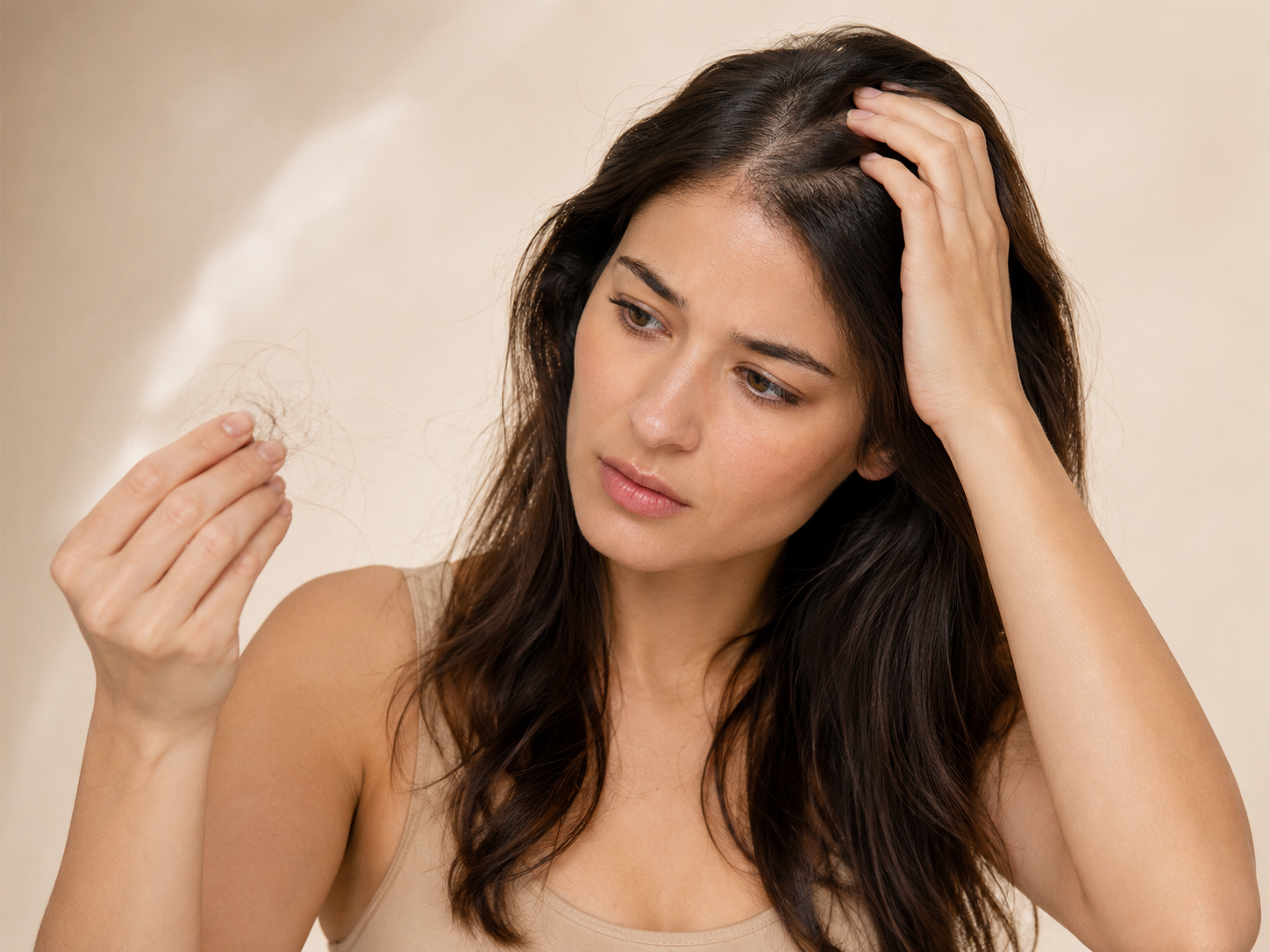
Hair shedding vs hair loss can be confusing because both involve hair falling out, but they are not always the same thing. Seeing hair in your brush, shower drain, or on your pillow can feel alarming, especially when it seems like more than usual.
But not every strand that falls out means something is wrong. Hair naturally moves through a growth cycle, and shedding is part of that cycle. Hair loss is different because it usually means something is interrupting growth, weakening the follicle, or causing visible thinning over time.
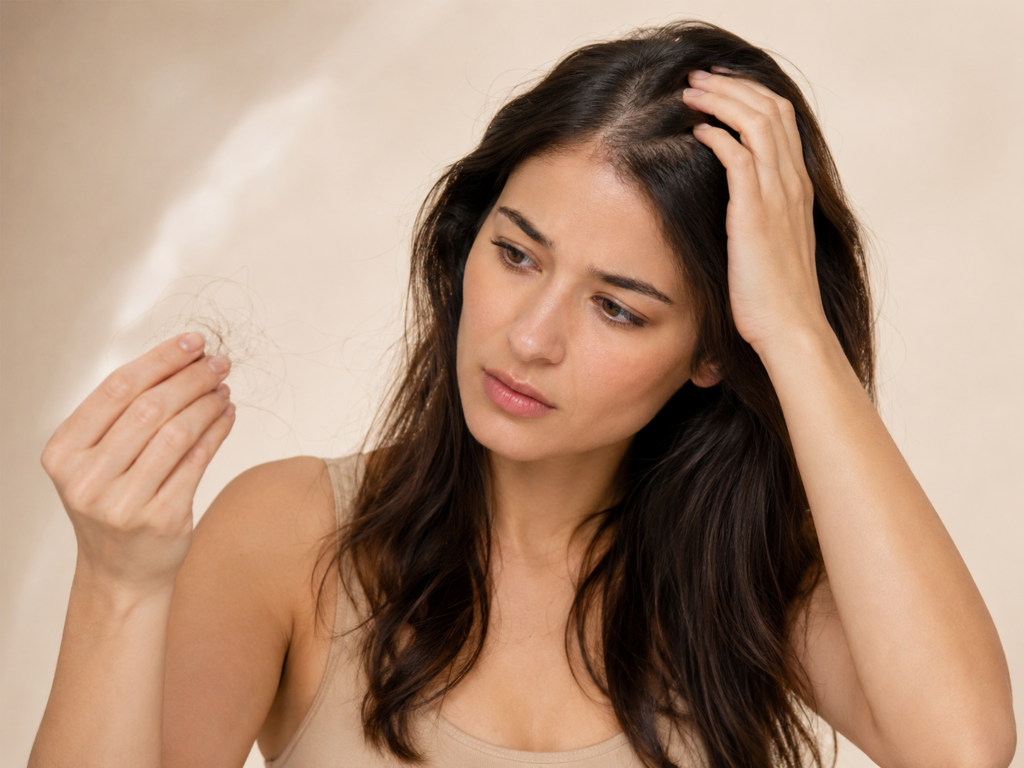
Understanding the difference matters because the way you respond should be different too.
What Is Hair Shedding?
Hair shedding is when hairs naturally fall out as part of the hair growth cycle.
The American Academy of Dermatology says it is normal to shed around 50 to 100 hairs a day. When someone sheds significantly more than that, it may be excessive hair shedding, also called telogen effluvium.
This kind of shedding often happens after a trigger. Stress, illness, weight loss, childbirth, surgery, or major life changes can push more hairs into the shedding phase. The frustrating part is that shedding may not show up immediately, so it can feel like your hair suddenly started falling out for no reason.
What Is Hair Loss?
Hair loss is different because it usually means hair is not growing back properly, or the follicle is being affected.
Instead of simply noticing more loose strands, you may see a widening part, thinner temples, a receding hairline, bald patches, or an overall loss of density. Cleveland Clinic explains that telogen effluvium usually causes heavy shedding and rapid loss, while male- and female-pattern hair loss tends to cause slower thinning.
This is why the pattern matters. Shedding often feels like “hair everywhere.” Hair loss often looks like “less hair in one area.”
The Simple Difference
The easiest way to understand it is this:
Hair shedding is about how much hair is falling out.
Hair loss is about whether your hair is growing back normally.
If you are seeing more strands than usual but your overall hair density still looks the same, it may be shedding. If your hair looks visibly thinner, your part is wider, or your hairline is changing, it may be hair loss.
That does not mean you should panic. It just means you should pay attention to the pattern, timeline, and any triggers.
Why Hair Shedding Happens
Excessive shedding often happens after the body goes through stress.
This could be physical stress, like illness, fever, surgery, sudden weight loss, or giving birth. It can also be emotional stress, like grief, anxiety, burnout, or major life changes. The body temporarily shifts more hairs into the resting phase, and those hairs shed later.
This is why shedding can appear delayed. You may go through a stressful period, then notice hair falling weeks or months later.
If your routine has also changed recently, check whether your hair care habits are making things worse. Our guide on healthy hair care routine for beginners explains the basics of washing, conditioning, and handling your hair gently.
Signs It Might Be Normal Shedding
Shedding is more likely to be normal or temporary if it happens evenly across your scalp.
You may notice more strands after brushing, washing, or detangling, but your hairline still looks the same and you do not see bald patches. It may also happen after a clear trigger, such as stress or illness.
Temporary shedding can improve once the trigger passes, but it still takes time. Hair does not reset overnight, so you may need several months to see your hair feel fuller again.
Signs It Might Be Hair Loss
Hair loss is more concerning when you notice visible changes.
A widening part, thinning crown, receding hairline, bald patches, or one area looking noticeably thinner than the rest can suggest that something more than normal shedding is happening.
It is also worth paying attention if your scalp itches, burns, flakes heavily, feels painful, or has redness. These symptoms may point to a scalp issue rather than simple shedding.
If you are already considering treatments, our guide on minoxidil explains why timing and consistency matter before starting.
Can Oils or Hair Products Fix Shedding?
This is where people often waste time.
Hair oils, masks, and scalp treatments can support the scalp and make hair feel healthier, but they do not fix every type of shedding or hair loss. If the cause is stress, hormones, nutrition, illness, or genetics, a product alone may not be enough.
For example, rosemary oil for hair may be useful as a scalp-care product, but it should not replace proper advice if your hair is shedding heavily or thinning visibly.
Think of products as support, not diagnosis.
When Should You Actually Worry?
You should pay closer attention if the shedding is sudden, severe, patchy, or lasts longer than a few months.
You should also take it seriously if you notice bald spots, scalp pain, heavy itching, scaling, a rapidly widening part, or a changing hairline. In those cases, it is better to speak to a doctor or dermatologist rather than guessing.
The NHS advises seeing a GP if you have sudden hair loss, bald patches, itching or burning, or if hair loss is causing distress.
What You Can Do First
Start by looking at what changed in the last few months.
Did you go through stress, illness, weight loss, a new medication, a major diet change, or a hormonal shift? Did you change your hair products, start wearing tight hairstyles, or begin washing less often?
Then simplify your routine. Be gentle when washing, avoid tight hairstyles, reduce heat, and do not overload your scalp with oils or styling products. If your scalp gets greasy quickly, read our guide on mistakes turning your hair into an oily mess.
The Bottom Line with Hair Shedding vs Hair Loss
Hair shedding vs hair loss comes down to whether your hair is simply falling as part of a temporary cycle, or whether growth itself is being affected.
Shedding can be normal, especially after stress or changes in the body. Hair loss is more likely when you see visible thinning, bald patches, a widening part, or a changing hairline.
The main thing is not to panic, but not to ignore it either. Watch the pattern, think about recent triggers, and get professional advice if the shedding feels severe, sudden, or ongoing.



4 Comments