
7 Reasons Your Skin Is Still Dry After Moisturising
Why is my skin still dry after moisturising is one of the most frustrating skincare questions, especially when you feel like you’re doing everything right. You cleanse, apply moisturiser, maybe even use it twice a day — but your skin still feels tight, rough, flaky, or uncomfortable.

The problem is usually not that moisturiser “doesn’t work.” Most of the time, it comes down to how you’re using it, what type of moisturiser you’re using, or whether your skin barrier needs extra support. This article will help you understand why your skin is still dry after moisturising
You Might Be Applying Moisturiser Too Late
Moisturiser works best when it helps trap water in the skin. If you wait until your skin is completely dry before applying it, you may not be locking in as much hydration as you could.
A better method is to apply moisturiser while your skin is still slightly damp after cleansing. Your face should not be dripping wet, but it should still have a little moisture on the surface. This helps your moisturiser seal in hydration instead of just sitting on top of dry skin.
The American Academy of Dermatology also recommends applying moisturiser when your skin is still damp to help relieve dryness.
Your Cleanser Might Be Too Harsh
If your skin feels tight immediately after washing, your cleanser might be stripping your skin too much.
A cleanser should leave your skin feeling clean but comfortable. If your face feels squeaky-clean, dry, or stretched, that usually means your cleanser is removing too much natural oil. This can make your moisturiser work harder because your skin is already irritated before you even apply it.
Switching to a gentle, non-stripping cleanser can make a big difference. If you’re still building your routine, our guide to a basic skincare routine for beginners explains how cleanser, moisturiser, and SPF work together.
Your Moisturiser Might Be Too Lightweight
Not all moisturisers are strong enough for dry skin.
A lightweight gel moisturiser might feel nice at first, but if your skin is very dry, it may not be enough to keep moisture locked in. Dry skin often needs a richer cream that supports the skin barrier and prevents water loss throughout the day.
Look for ingredients like glycerin, ceramides, hyaluronic acid, shea butter, or petrolatum. These help attract moisture, soften the skin, and reduce dryness. If your skin feels dry again ten minutes after moisturising, your formula may simply be too light.
Your Skin Barrier Might Be Damaged
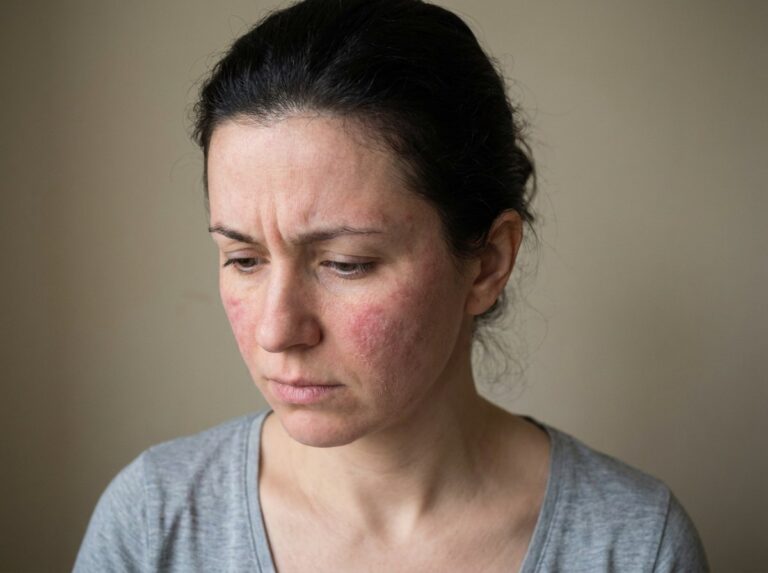
If your skin is dry, tight, sensitive, and easily irritated, your skin barrier may be weakened.
Your skin barrier helps keep moisture in and irritants out. When it is damaged, your skin loses water more easily, which can make it feel dry even after applying moisturiser. This is why your skin may feel temporarily better after moisturising, then dry again soon after.
A damaged barrier can happen from over-cleansing, using too many active ingredients, over-exfoliating, hot water, harsh products, or skipping SPF. If this sounds familiar, read our guide on how to fix your skin barrier cv before adding more products.
You May Be Over-Exfoliating
Exfoliation can be helpful, but too much of it can make dryness worse.
If you use scrubs, acids, retinol, or exfoliating toners too often, your skin may become irritated and lose moisture more easily. This can create a cycle where your skin feels rough, so you exfoliate more, but then it becomes even drier.
If your skin is already dry or sensitive, pause exfoliation for a while and focus on gentle cleansing, moisturising, and SPF. Once your skin feels calm again, you can slowly reintroduce exfoliation less often.
You Might Not Be Using SPF Daily
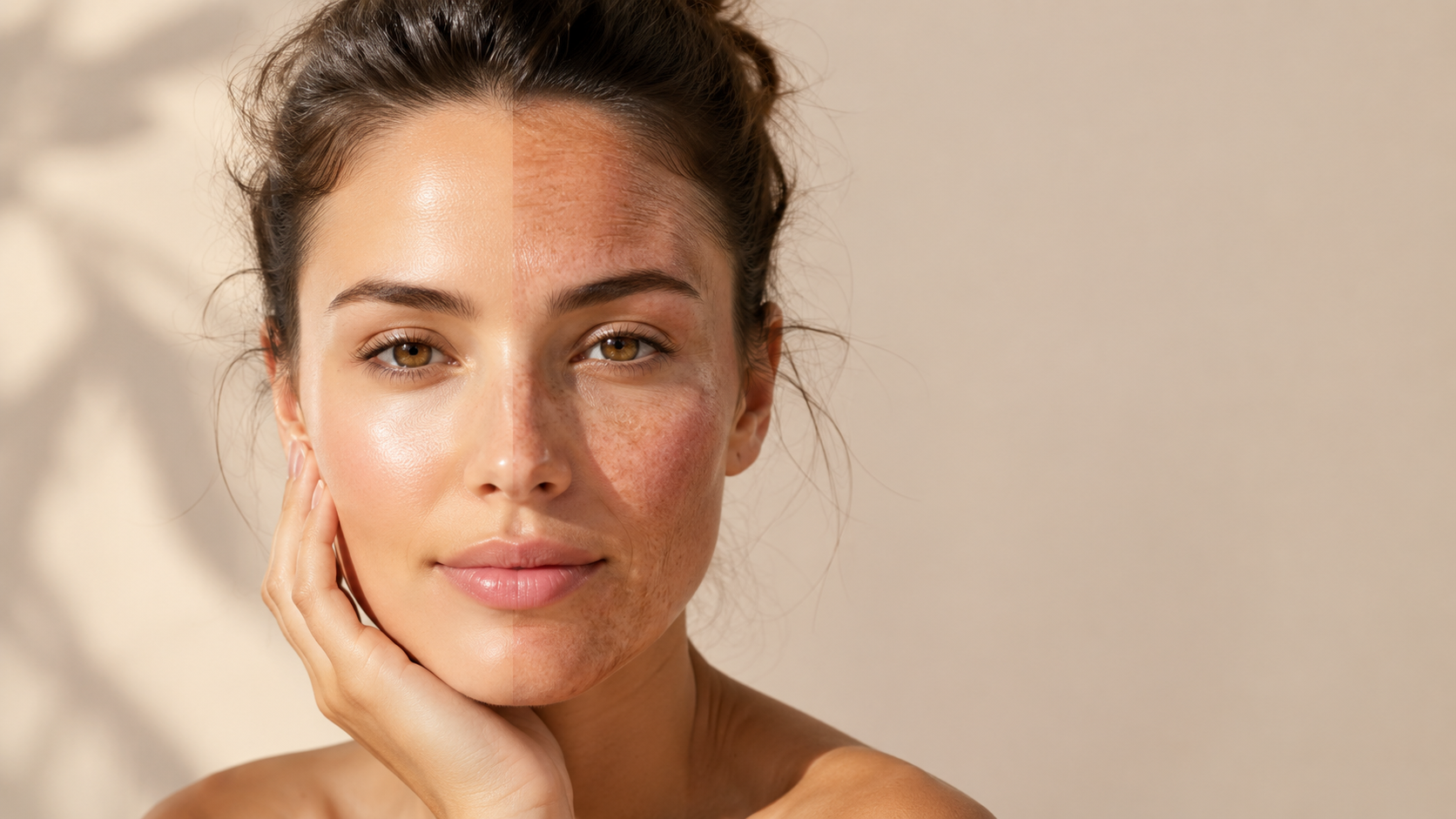
SPF might not seem connected to dry skin, but sun exposure can make dryness, irritation, and uneven texture worse over time.
If your skin is already struggling to hold moisture, UV exposure can add more stress. A daily sunscreen helps protect your skin and supports the rest of your routine. Moisturiser helps hydrate, but SPF helps protect that progress.
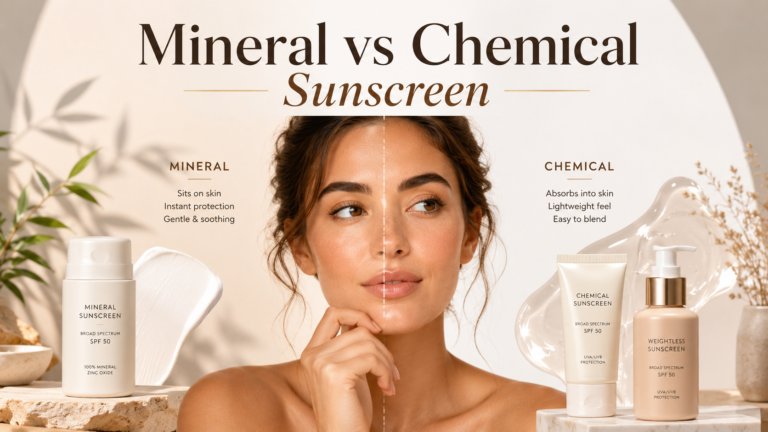
If you’re unsure where sunscreen fits into your routine, our article Do You Really Need SPF Every Day? explains why it matters.
Your Environment Could Be Drying Your Skin Out
Sometimes your products are fine, but your environment is working against you.
Cold weather, indoor heating, air conditioning, wind, and low humidity can all make skin feel drier. Hot showers can also strip the skin and make tightness worse, especially if you moisturise too late afterwards. That is why you need to try to limit your hot showers to maximum 10 -15 minutes.
In these cases, you may need a richer moisturiser, a gentler cleanser, and more consistent application. Applying moisturiser morning and night can also help your skin stay more comfortable.
You Might Need to Layer Hydration
If your skin is very dry, one moisturiser may not be enough on its own.
You can apply a hydrating product first, then seal it in with moisturiser. For example, a simple hydrating serum with glycerin or hyaluronic acid can add water to the skin, while your moisturiser helps lock it in.
The key is not to overcomplicate things. Start with a gentle routine first, then add one hydrating product if your skin still feels dry. There is also a technique called slugging, where you apply a thin layer of petroleum jelly on your face to lock in hydration overnight and wake up with a dewy face, however, please note that this might cause acne breakouts for people who are prone to acne.
The Bottom Line with why your skin is still dry after moisturising
If your skin is still dry after moisturising, the issue usually comes down to timing, formula, or barrier health. Apply moisturiser to slightly damp skin, avoid harsh cleansers, choose a richer formula if needed, and keep your routine gentle.
Dry skin often improves when you stop trying to fix it with more products and focus instead on supporting your skin barrier. A simple routine done consistently will usually do more than constantly switching moisturisers.
If your skin stays extremely dry, cracked, painful, or irritated even after simplifying your routine, it may be worth speaking to a dermatologist. But for most people, small changes in how you cleanse, moisturise, and protect your skin can make a noticeable difference.




3 Comments