How To Make Foundation Last All Day
You spend ten minutes getting your foundation looking just right — blended, natural, exactly how you want it. Then you catch a glimpse of yourself in the bathroom mirror at 2pm and half of it is gone.
Sound familiar? You’re not alone, and here’s the good news: most of the time, it’s not your foundation that’s the problem. It’s a few small technique steps that are easy to miss when you’re just starting out.
In this guide, I’m walking you through 7 simple tips to learn how to make foundation last all day — no expensive new products required. Just smarter steps.
1. Moisturise first — and actually wait for it to absorb
This is the step most beginners rush through, and it makes a bigger difference than you’d think.
Moisturiser doesn’t just sit on top of your skin — it needs a couple of minutes to fully absorb before you layer anything over it. If you apply foundation on top of damp, still-settling moisturiser, the two products mix together and your foundation starts sliding around almost immediately.
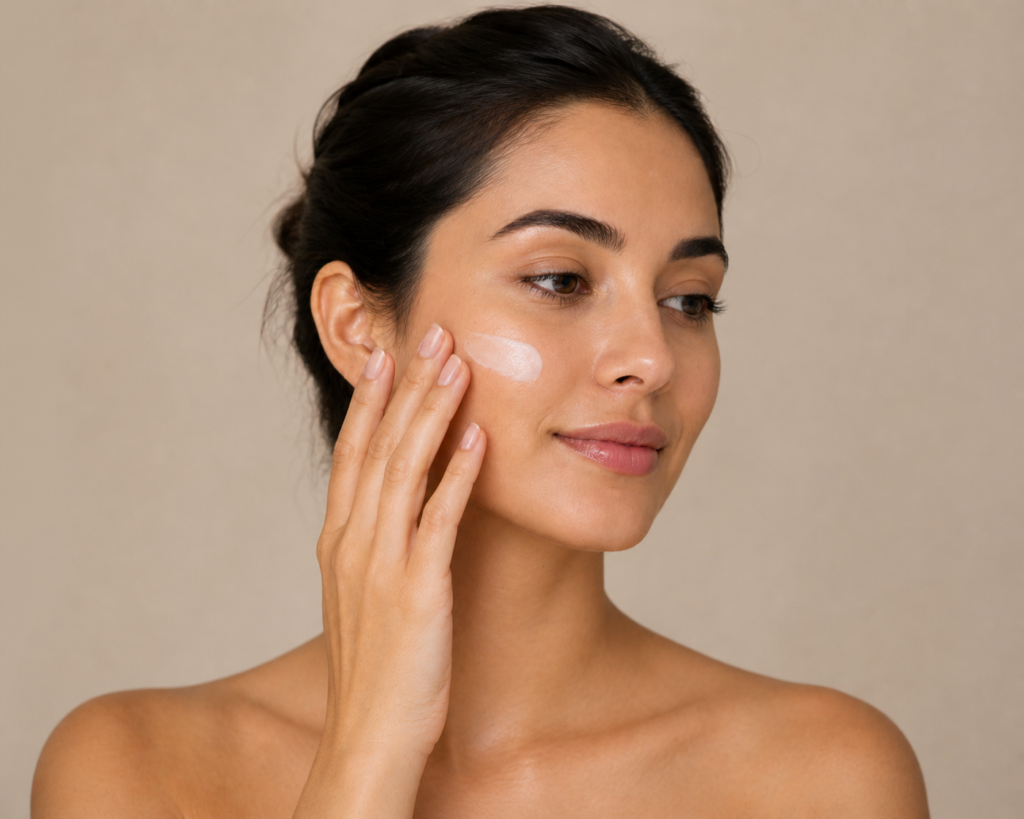
The fix is simple: apply your moisturiser, then go do something else for 2–3 minutes. Brush your teeth, pick your outfit, make a coffee. When you come back, your skin will feel smooth and slightly tacky — that’s the ideal surface for foundation to grip onto.
One more thing: don’t skip moisturiser even if you have oily skin. Hydrated skin actually holds foundation better. The key is choosing the right formula — a lightweight gel moisturiser for oily skin, something richer and creamier for dry skin. If you’re not sure which one suits you, have a read of our guide to choosing the best foundation for your skin type — a lot of the same logic applies to moisturiser too.
2. Use a primer (this is the biggest upgrade most beginners skip)
If there’s one thing that will genuinely change how long your foundation lasts, it’s primer.
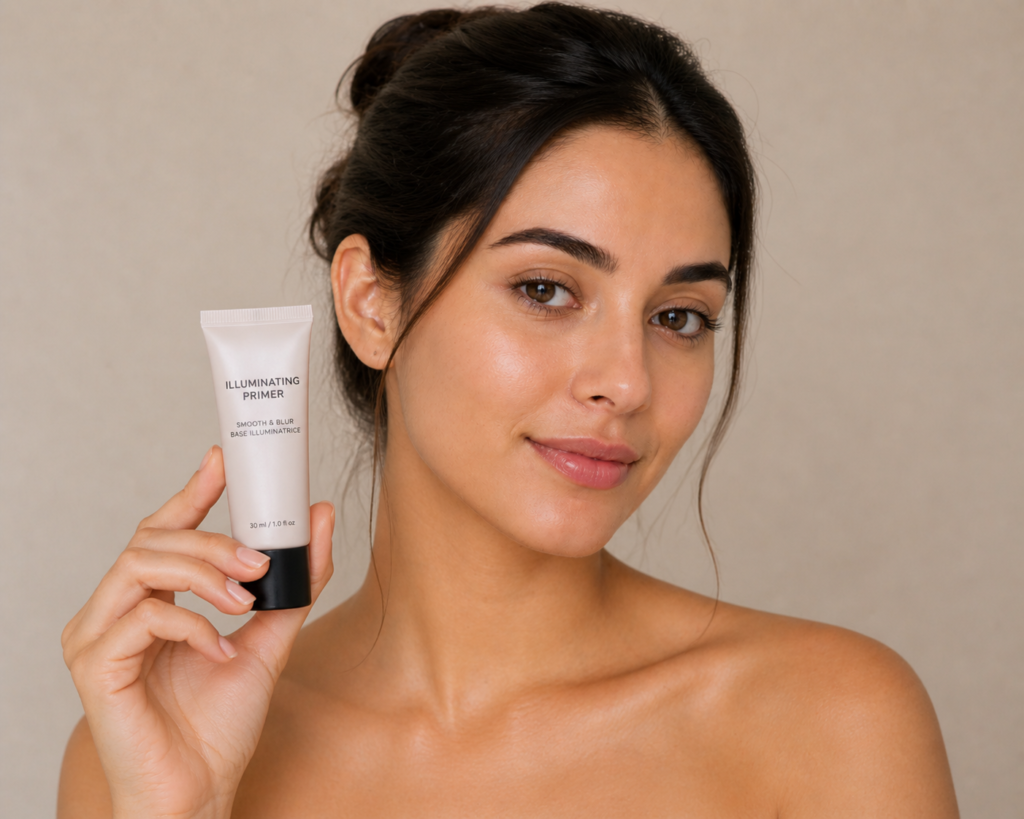
Primer goes on after moisturiser and before foundation. Think of it like a double-sided tape for your makeup — it creates a slightly grippy surface that gives foundation something to hold onto, instead of sitting on bare skin and slowly sliding off throughout the day.
The type of primer you use matters:
- Oily skin: Look for a mattifying primer. It absorbs excess oil and stops shine from breaking down your foundation by midday.
- Dry skin: A hydrating primer keeps your skin from feeling tight and prevents foundation from clinging to dry patches.
- Large pores or uneven texture: A pore-filling primer smooths the surface so foundation applies more evenly and wears more consistently.
You don’t need to spend a lot. A small, pea-sized amount blended across your face is enough. Apply it after your moisturiser has absorbed, wait another minute, then move on to foundation.
3. Apply foundation in thin layers, not one thick one
This is probably the most counterintuitive tip on this list — but it works.
When you apply a thick layer of foundation all at once, it sits on top of your skin rather than bonding with it. And product that’s sitting on top of your skin is product that’s going to shift, crease, and fade throughout the day.
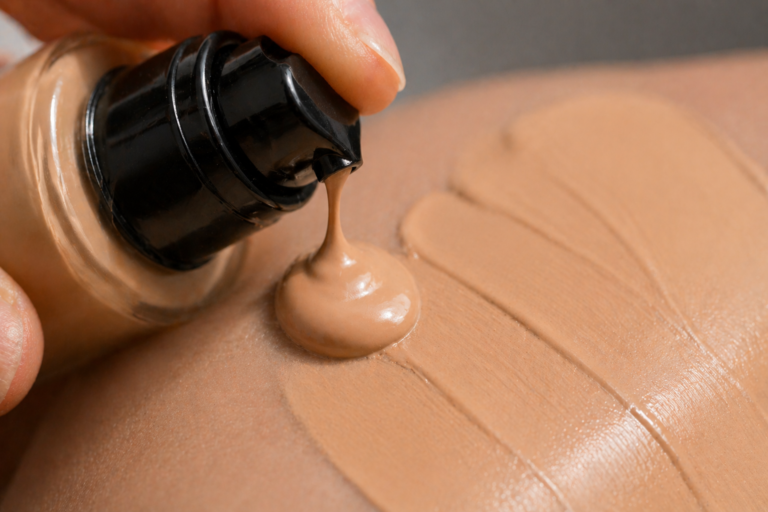
Thin layers behave differently. They press into the skin, blend more naturally, and actually build up to better coverage than one heavy application does. The technique: apply a small amount on the bank of your hand or a tray, blend it out fully, then assess. Only add a second layer in areas where you genuinely need more coverage (avoid the under-eye area entirely to avoid dryness and cakiness, that is for your concealer) anywhere that needs it.
Starting from the centre of your face and blending outward also helps. It concentrates coverage where you need it most and naturally feathers out toward your hairline and jaw.
4. Choose the right application tool
How you apply foundation affects how well it wears — not just how it looks.
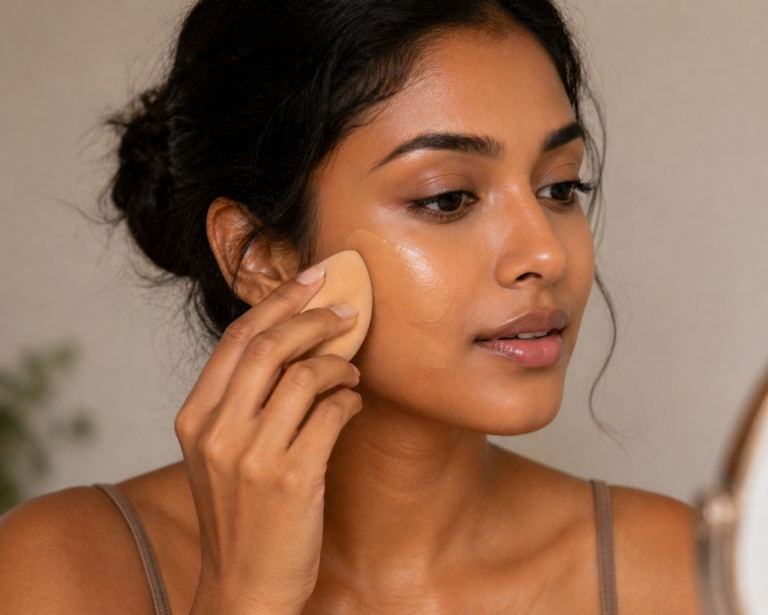
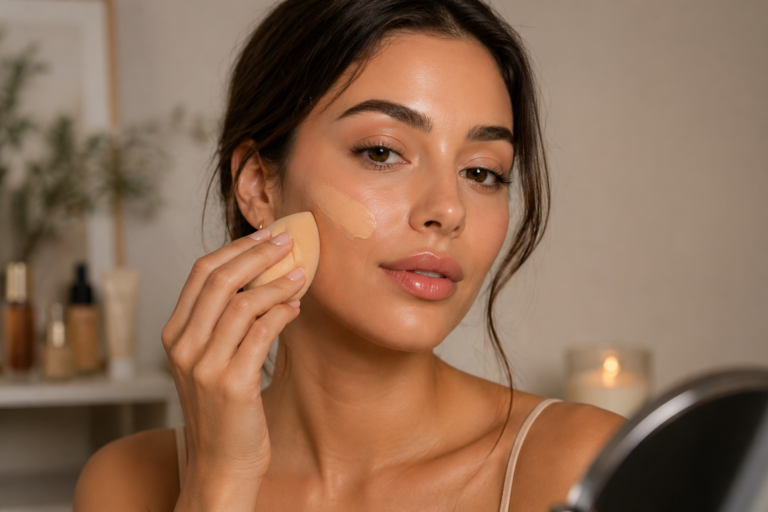
A damp beauty sponge (like a beauty blender) is great for longevity because the pressing and stippling motion pushes foundation into the skin rather than dragging it across the surface. Foundation that’s pressed in sits closer to the skin and lasts longer.
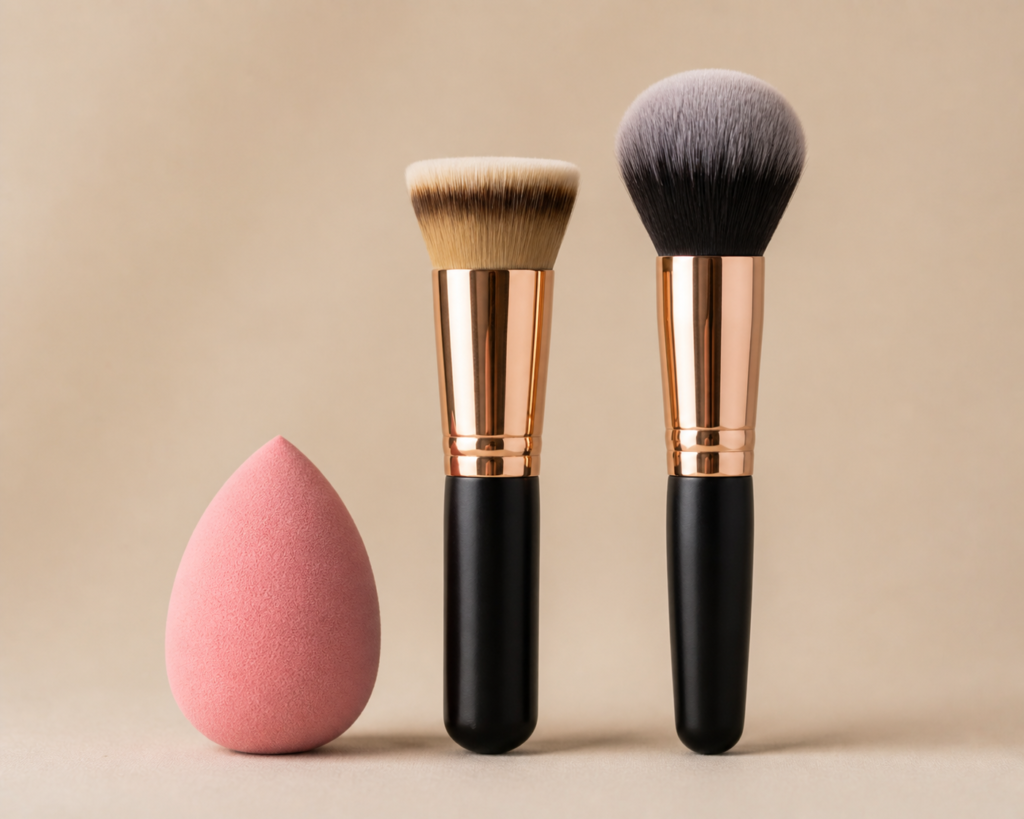
Brushes work well too, but the key is to use a stippling or pressing motion rather than sweeping strokes, which can move product around rather than setting it in place.
Fingers are actually underrated for this — the warmth helps blend product seamlessly, especially in tricky areas around the nose. Not ideal for full-face application, but great for touch-ups and blending edges.
We cover all three tools (and exactly how to use them) in our guide to the 3 simple foundation tools that make all the difference.
5. Set with translucent powder — the step that changes everything
If you’re not setting your foundation with powder, this is almost certainly why it’s fading.
Setting powder locks foundation in place by absorbing excess moisture and oil on the surface of your skin — the exact things that break foundation down throughout the day. It also reduces shine, which means your skin looks more even for longer.
Translucent setting powder is the most beginner-friendly option because it suits every skin tone and doesn’t add any extra colour or coverage. Here’s how to apply it properly:
- Use a fluffy powder brush or a powder puff
- Press the powder into your skin — don’t sweep it across (sweeping can move foundation underneath)
- Focus on your T-zone (forehead, nose, and chin) if you have oily skin — these areas break down fastest
- Use a lighter hand on dry areas like the cheeks to avoid a dry or chalky finish
A little goes a long way. You’re not piling it on — you’re creating a fine, barely-there veil that seals everything underneath.
What about baking? Baking is a technique where you let a heavier layer of powder sit on the skin for a few minutes before dusting it away. It gives extra longevity and coverage in specific areas (under the eyes is the most common spot). It’s not essential for everyday wear, but worth trying if you want extra staying power for a long day or a special occasion.
6. Finish with setting spray
Setting spray is the final seal over everything — and it works differently to setting powder, so you actually want to use both.
While powder absorbs oil and sets the texture of your makeup, setting spray melts all the layers together and locks them as a unified finish on your skin. It also gives your makeup a more natural, skin-like appearance rather than a powdery look.
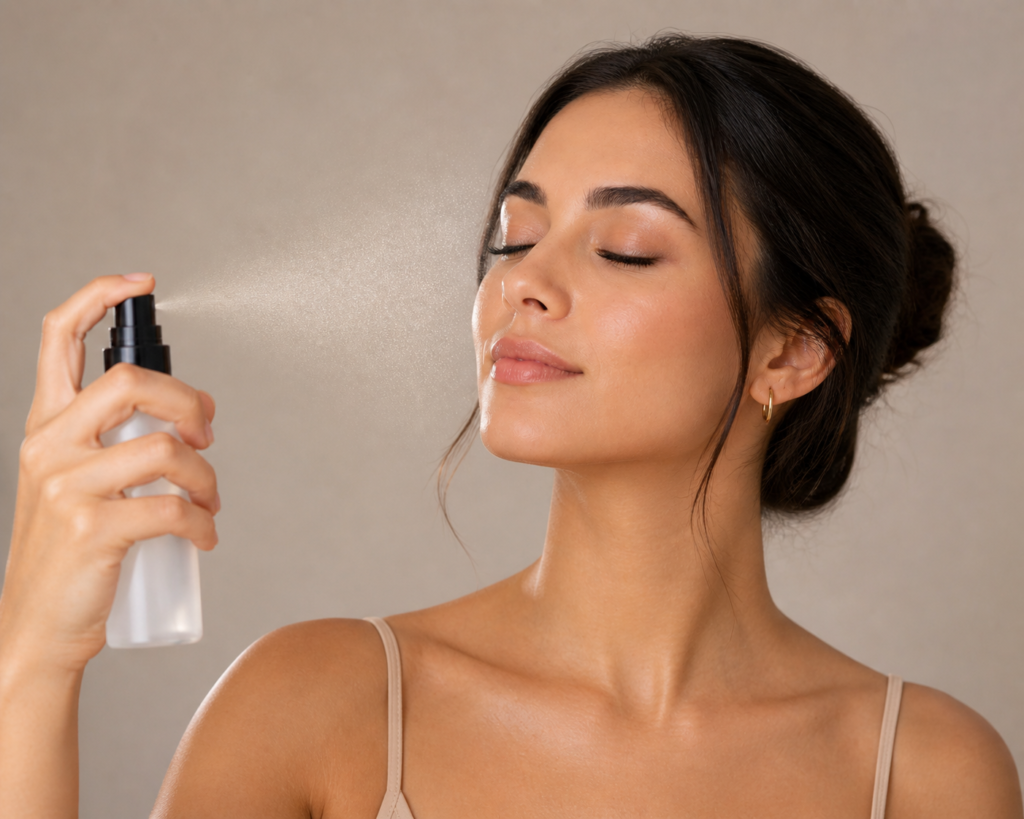
How to apply it properly:
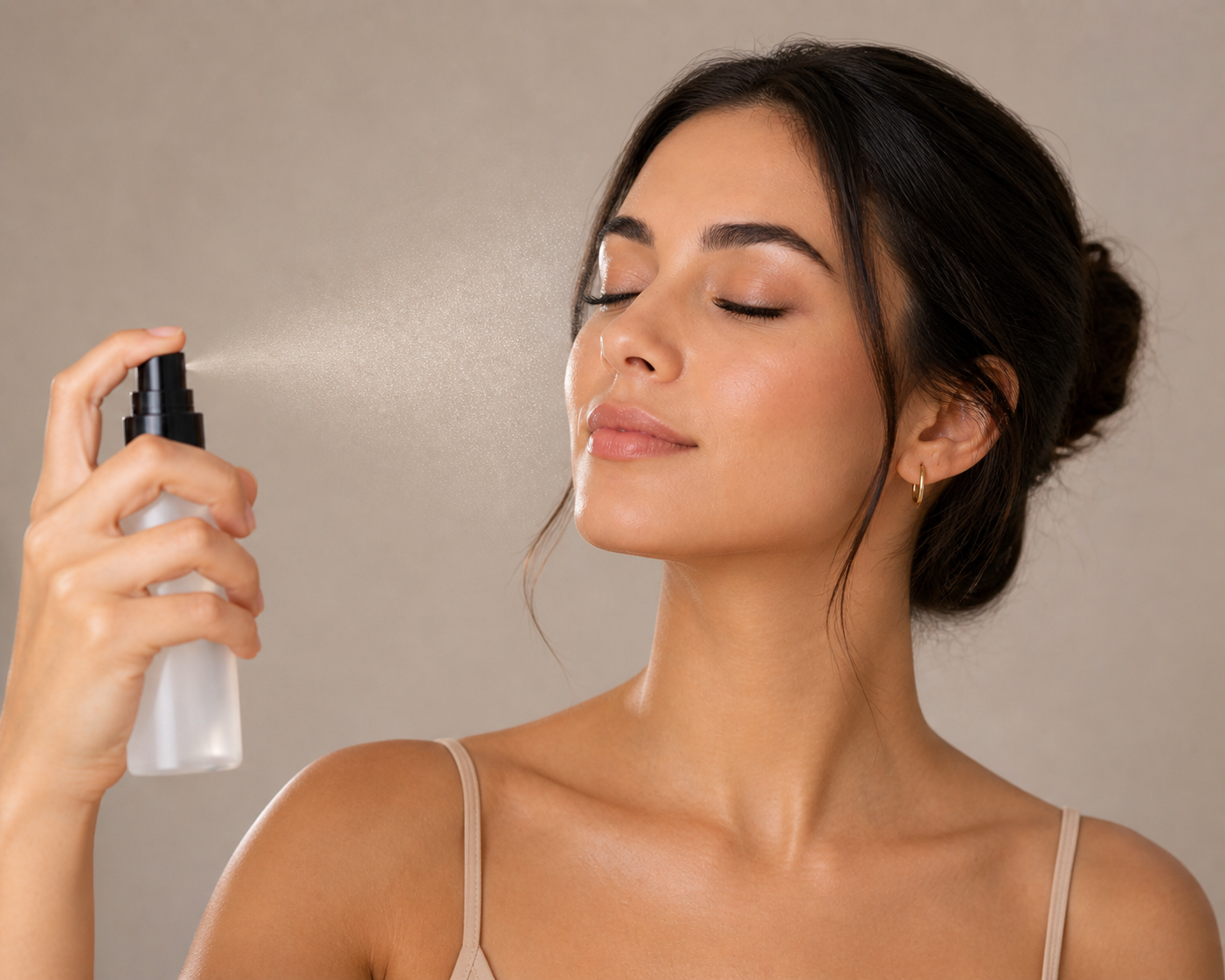
- Hold the bottle about 20–30cm from your face (arm’s length is a good guide)
- Mist in a T shape (across your forehead, down your nose) or an X shape (corner to corner)
- Let it dry completely on its own — don’t rub or pat it in
That last point is important. Setting spray needs to dry naturally to do its job. Touching your face while it’s still wet will disturb your makeup rather than set it.
7. Touch up smart, not often
Even with the best prep, some days will need a midday refresh — and how you do it matters.
The mistake most people make is reaching for their foundation and reapplying it directly on top of what’s already there. This causes product to build up, look cakey, and actually makes the fading more obvious in some areas than if you’d left it alone.
Instead, try this:
- Blot first. Press a clean tissue or blotting paper gently against any shiny areas. This removes excess oil without disturbing your makeup.
- Press powder over the top. A small amount of setting powder pressed lightly over the affected areas refreshes the finish and absorbs new oil.
- Mist with setting spray again. A light mist brings everything back together and revives the look.
This three-step midday refresh takes about 90 seconds and extends your foundation another few hours without any cakiness or buildup.
The real secret to long-lasting foundation
Here’s what ties all of this together: foundation longevity is almost entirely about what you do before and after you apply it, not the foundation itself.
Moisturise properly, use a primer, apply in thin layers with the right tool, set with powder, seal with spray — and you’ll notice a significant difference even with the exact same foundation you’ve been using.
Start with one or two of these tips if trying everything at once feels like a lot. Most people find that adding a primer and setting powder alone makes a noticeable difference from the very first time. As highlighted by the American Academy of Dermatology, healthy, well-prepped skin plays a key role in how makeup sits and lasts throughout the day.
If you’re still working on getting your foundation technique right before worrying about longevity, our step-by-step guide on how to apply foundation for beginners is a good place to start.
Which of these steps were you skipping? Let me know in the comments — I’d love to hear what made the biggest difference for you.