
Your Skin Barrier Is Broken — Here’s How to Fix It Fast
You cleanse every day. You moisturise religiously. You’ve tried every product your favourite influencer has recommended. So why does your skin still feel tight, look dull, or break out constantly?
The answer might have nothing to do with your products — and everything to do with something you’ve probably never heard of: your skin barrier.
In this guide, we’ll break down exactly what the skin barrier is, what damages it, and — most importantly — how to fix your skin barrier and protect it from more damage. Whether you’re brand new to skincare or just trying to make sense of all the buzzwords, this one is for you.
What Is the Skin Barrier?
Your skin barrier — also called the stratum corneum — is the outermost layer of your skin. For a clearer medical explanation, Cleveland Clinic also explains how the skin barrier works and why it becomes damaged. Think of it as a brick wall:
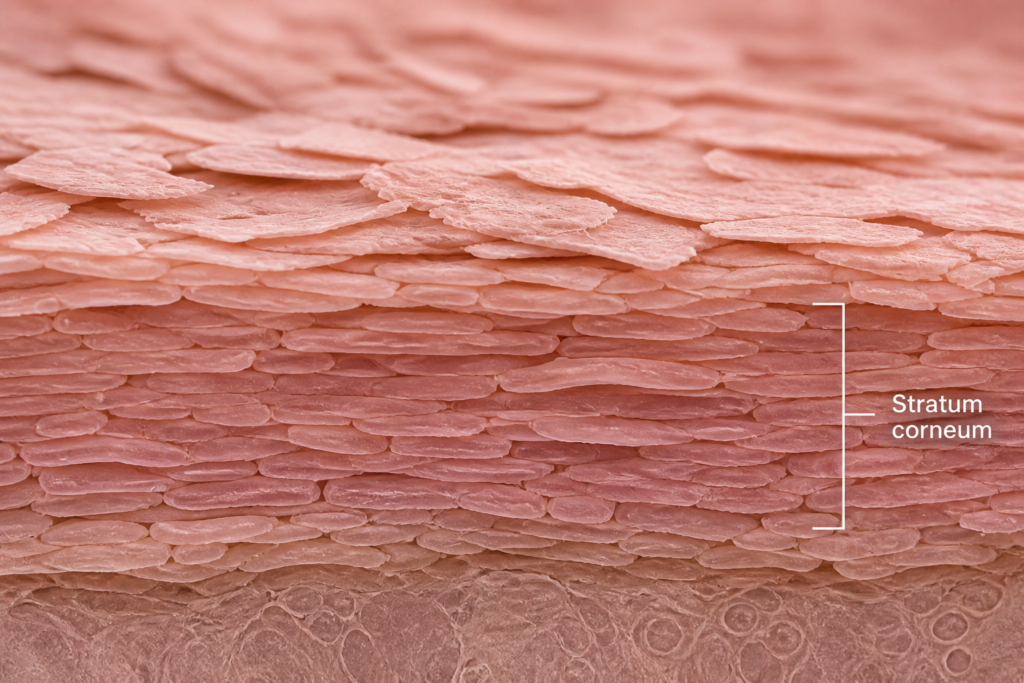
- The bricks are dead skin cells called corneocytes
- The mortar is made up of lipids — ceramides, cholesterol, and fatty acids
- Together, they form a protective shield that keeps good things in (moisture) and bad things out (bacteria, pollution, irritants)
When this wall is strong and intact, your skin looks plump, calm, and glowy. When it’s damaged or weakened — that’s when the real problems begin.
Signs Your Skin Barrier Might Be Damaged
A damaged skin barrier doesn’t always look the same on everyone.

Here are the most common signs to watch out for:
- Tightness or dryness even right after moisturising
- Redness or a flushed, irritated look that won’t settle down
- Increased sensitivity to products that never used to bother you
- Flaky or rough patches especially around the nose and cheeks
- Breakouts or congestion that appear out of nowhere
- A dull, tired-looking complexion no matter how much you sleep
Sound familiar? You’re definitely not alone — and the good news is, the skin barrier can absolutely be repaired.
What Damages the Skin Barrier?
There are more culprits than you’d think — and some of them might surprise you:
- Over-cleansing or using harsh face washes — stripping your skin of its natural oils
- Using too many active ingredients at once — retinol, acids, and vitamin C are all great, but not all together
- Hot showers and steam — heat breaks down the lipids in your barrier
- Skipping SPF — UV damage is one of the top barrier destroyers
- Stress and lack of sleep — yes, really, your skin knows when you’re exhausted
- Cold, dry weather — environmental conditions affect your barrier daily
- Over-exfoliating — scrubbing too often removes the protective layer before it can repair itself
How to Protect and Repair Your Skin Barrier
Here’s the thing: fixing your skin barrier doesn’t mean spending more money or buying more products. In most cases, it means doing less.
1. Simplify Your Routine
When your barrier is compromised, the last thing it needs is 10 different products. Strip your routine back to three basics: a gentle cleanser, a barrier-supporting moisturiser, and SPF (during the day). Give your skin a chance to breathe and recover. If you’re not sure what a simple routine should look like, start with our guide to a basic skincare routine for beginners.
2. Reach for Ceramides
Ceramides are the lipids that make up the “mortar” in your skin’s brick wall. Look for them in moisturisers, serums, and cleansers — they literally rebuild your barrier from the outside in. Great beginner options include CeraVe, La Roche-Posay Cicaplast, and the Inkey List Ceramide Moisturiser.
3. Switch to a Gentle, pH-Balanced Cleanser
Your cleanser is the first step — and the most damaging if you get it wrong. Avoid anything that makes your skin feel squeaky clean. That tight feeling? That’s your barrier crying. Look for creamy, fragrance-free cleansers that respect your skin’s natural pH (around 4.5–5.5).
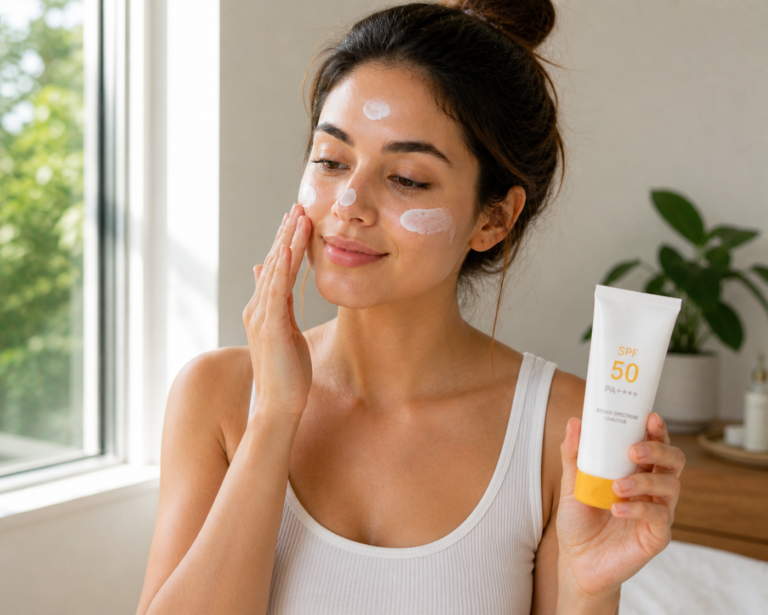
4. Wear SPF Every Single Day
UV rays damage the skin barrier whether it’s sunny or cloudy, winter or summer. The American Academy of Dermatology recommends choosing a sunscreen with SPF 30 or higher for daily protection. SPF 30 or above, applied every morning, is genuinely one of the most powerful things you can do for your skin barrier long-term.
5. Introduce Actives Slowly (One at a Time)
Once your barrier is happy and stable, you can start introducing active ingredients like retinol, niacinamide, or AHA exfoliants. The golden rule: one new product at a time, once or twice a week to start. Never layer multiple actives on top of each other until you know how your skin responds.
How Long Does It Take to Repair the Skin Barrier?
It depends on how much damage has been done, but generally:
- Mild damage (a bit of redness or tightness): 1–2 weeks with a simplified routine
- Moderate damage (flaking, persistent irritation): 4–6 weeks of consistent barrier care
- Severe damage (chronic inflammation, eczema flare-ups): 3+ months, and worth seeing a dermatologist
The most important thing is consistency. Your skin barrier didn’t break down overnight, and it won’t rebuild overnight either — but with the right approach, you will see a difference.
The Bottom Line
Your skin barrier is the foundation of every good skincare routine. Get it right, and everything else — your moisturiser, your serums, your makeup — will work better. Ignore it, and no amount of expensive products will give you the calm, healthy skin you’re after. For a more basic skincare routine please read our guide on how to
Start simple. Be consistent. And remember: sometimes the best thing you can do for your skin is to do a little bit less.





4 Comments